Pharmacopoeias and Formularies

Pharmacopoeias and formularies are two types of drug compendia that are commonly used in the healthcare sector. Pharmacopoeias are official compendia that are published by governments and hold legal status. They contain information on officially approved drugs in a country, including their chemical structure, molecular weight, physical and chemical characteristics, solubility, identification and assay methods,…
Read More

Drug Compendia: An Overview

Drug compendia refer to comprehensive collections of information on drugs presented in the form of monographs. These monographs typically contain detailed descriptions of drugs, including their indications, contraindications, dosage forms, adverse effects, and storage conditions. They are essential resources for various stakeholders in the healthcare sector, including physicians, pharmacists, drug manufacturers, and regulatory authorities. Introduction…

Read More

Treatment of Angina Pectoris: A Comprehensive Guide

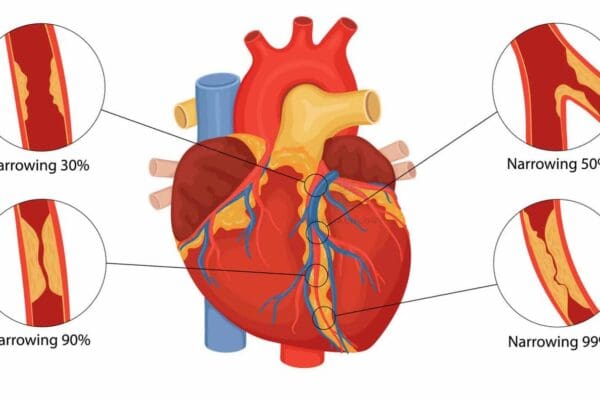
Angina pectoris, a symptom of coronary artery disease, is typically managed with a combination of lifestyle changes, medications, and in some cases, surgical procedures. This section will focus on the pharmacological treatment of angina pectoris, providing a detailed overview of the classification of drugs used, their pharmacokinetics, mechanisms of action, pharmacological actions, therapeutic uses, adverse…

Read More

Angina Pectoris: A Comprehensive Guide

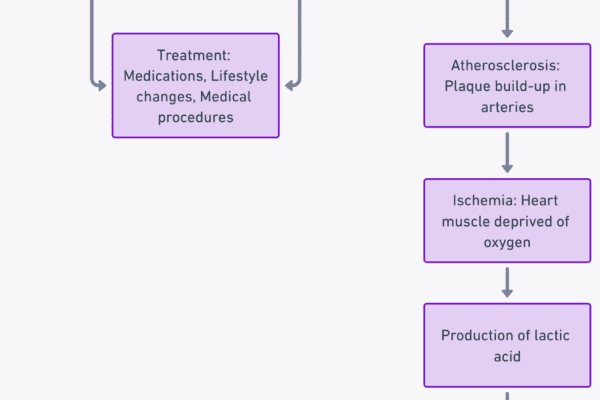
Angina pectoris, commonly known as angina, is a type of chest pain caused by reduced blood flow to the heart. This article provides a detailed exploration of angina pectoris, including its classification, types, pathophysiology, and treatment for individual types. We’ll also incorporate flowcharts to help illustrate these concepts. What is Angina Pectoris? Angina pectoris is…

Read More

How Ischemic Heart Disease is treated?

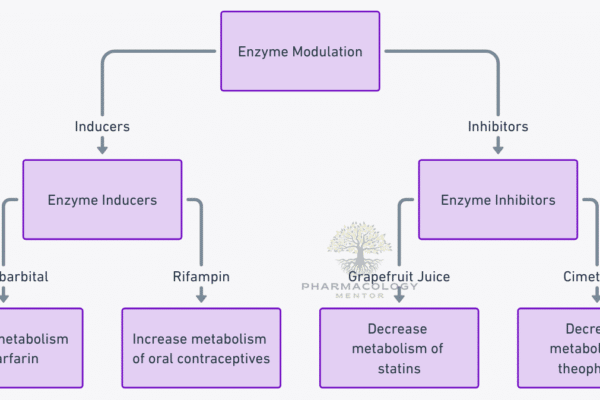
The treatment of ischemic heart disease aims to improve blood flow to the heart muscle. This can be achieved through a combination of lifestyle changes, medications, and in some cases, surgical procedures. Drug Class Examples Pharmacokinetics Mechanism of Action/Pharmacological Actions Therapeutic Uses Adverse Effects Contraindications Drug Interactions Antiplatelet Drugs Aspirin, Clopidogrel Rapidly absorbed in the stomach…

Read More

Non-Steroidal Anti-Inflammatory Drugs (NSAIDs) – A Comprehensive Guide

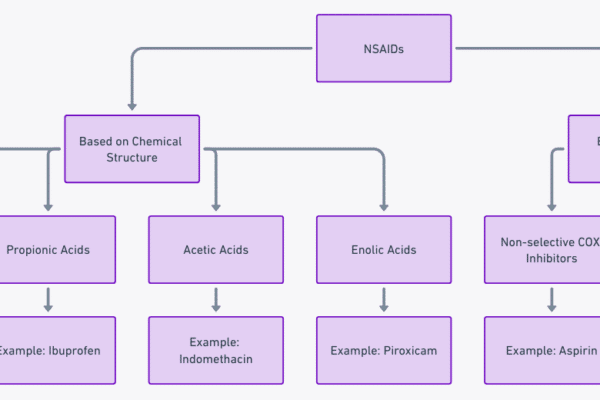
Understanding NSAIDs: What are they? Non-Steroidal Anti-Inflammatory Drugs, commonly known as NSAIDs, are a class of drugs primarily used for their analgesic (pain-relieving), antipyretic (fever-reducing), and, as their name suggests, anti-inflammatory effects. They’re a staple in medicine cabinets worldwide and for a good reason. But to truly appreciate these drugs, we need to delve deeper…

Read More

Unlock the Power of Mnemonics in Pharmacology

Discover the transformative role of mnemonics in pharmacology. Learn how these memory-enhancing tools can simplify complex drug information, making it easier to remember and apply in real-world scenarios. Introduction Pharmacology, the branch of medicine that deals with the uses, effects, and modes of action of drugs, is a vast and complex field. It’s a world…

Read More

Obesity: What We Know and What We Can Do?

Obesity is a complex disease that involves an excessive amount of body fat. It isn’t just a cosmetic concern but a medical problem that increases the risk of other diseases and health problems, such as heart disease, diabetes, high blood pressure, and certain cancers ¹. According to the World Health Organization (WHO), overweight and obesity…

Read More