Pharmacology of Antihypertensive agents

Antihypertensive agents are medications used to lower blood pressure and treat hypertension. They are classified into several different categories, each with its own mechanism of action, uses adverse effects, contraindications, and drug interactions. Here’s a brief overview of the main categories and examples of antihypertensive agents: Diuretics Examples: Hydrochlorothiazide (HCTZ), Furosemide, Spironolactone Mechanism of action:…
Read More

Pharmacology Definitions and Terminology

Pharmacology is the study of drugs and their interactions with living organisms. It encompasses various terms and concepts related to drug action, classification, and administration. Here are some common definitions and terms used in pharmacology: Drug: A chemical substance that interacts with the body to produce a physiological effect, either for therapeutic purposes, diagnostic purposes,…

Read More

Antiarrhythmic Drugs

Antiarrhythmic drugs are used to treat various types of abnormal heart rhythms (arrhythmias). They are classified into four main classes (Class 1, 2, 3, and 4) according to the Vaughan-Williams classification system. This system is based on its primary mechanism of action and electrophysiological effects on the heart. Class 1: Sodium channel blockers https://pharmacology.ijcrpp.com/sodium-channel-blockers-scbs/ Examples…

Read More

Pharmacology of Cephalosporin antibiotics

Cephalosporins are a broad class of beta-lactam antibiotics closely related to penicillins in structure and function. They have been developed over time into five distinct generations, each with its unique antimicrobial spectrum and clinical applications. Here’s a detailed overview based on information from the National Center for Biotechnology Information (NCBI) and other reputable sources: Classification…

Read More

Drugs for Congestive Cardiac Failure

1. Introduction Congestive heart failure (CHF) is a condition in which the heart is unable to pump blood effectively, leading to fluid accumulation in the lungs and other body tissues. Various medications are available to manage CHF, which can help alleviate symptoms and improve the patient’s quality of life. This article will explore the classification…

Read More

Structure-Activity Relationship (SAR)

Introduction Structure-Activity Relationship (SAR) are an important aspect of chemistry that has been applied in many fields, particularly in drug design. It is a scientific method used to understand the relationship between the chemical structure of a compound and its biological activity. SAR provides a comprehensive understanding of how the structure of a molecule affects…

Read More

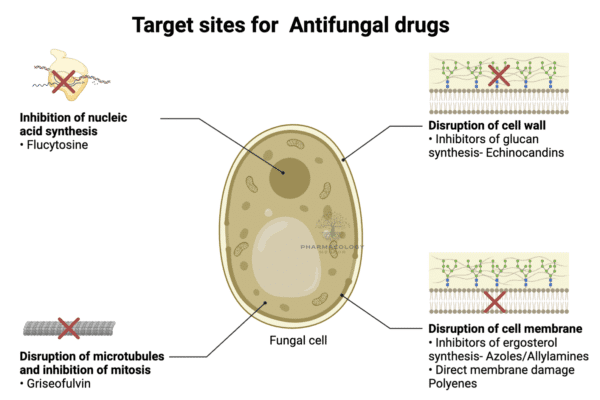
Antimicrobial Drugs: All classes

Antimicrobial agents can be broadly classified into six main categories: antibiotics, antivirals, antifungals, antiprotozoals, anthelmintics, and antiseptics. Antibiotics can be classified into several classes based on their chemical structure, mechanism of action, and spectrum of activity. Some of the major classes include: a. Beta-lactams: Examples: Penicillins (e.g., amoxicillin, penicillin G), cephalosporins (e.g., cephalexin, ceftriaxone), and…

Read More

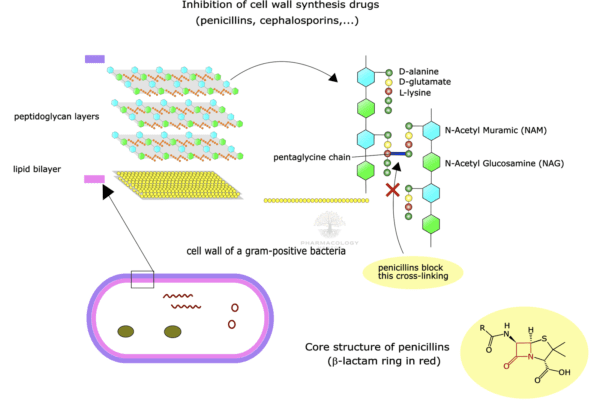
Pharmacology of Penicillins

Penicillins are a class of antibiotics commonly used to treat bacterial infections. They are part of the beta-lactam group of antibiotics, including cephalosporins, carbapenems, and monobactams. Penicillins are named after their structure, which includes a four-membered beta-lactam ring. 1. Classification: Penicillins can be classified into several groups based on their spectrum of activity and resistance…

Read More

Sedative-Hypnotics: their Pharmacology and where they are used?

Sedative-hypnotics are a class of drugs that work on the central nervous system (CNS) to produce a calming or drowsy effect and are often prescribed for insomnia, anxiety, and seizure disorders. They can be classified into three main categories: benzodiazepines, barbiturates, and Z-drugs (non-benzodiazepine hypnotics). Here’s a brief overview of these classes, along with some…

Read More

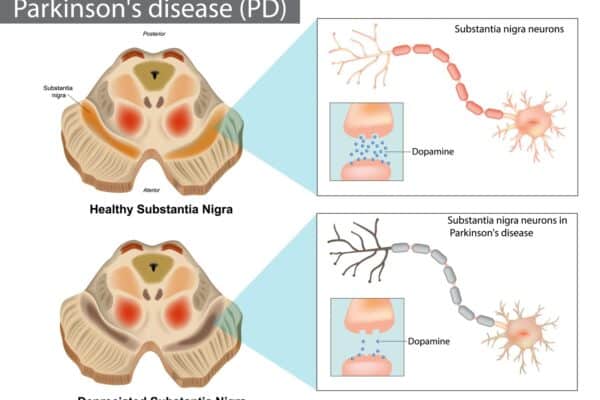
Antiparkinsonian Drugs

Introduction Antiparkinsonian drugs are a group of medications used to treat the symptoms of Parkinson’s disease, a neurodegenerative disorder characterized by tremors, rigidity, and bradykinesia. These drugs work by either increasing dopamine levels in the brain or blocking the effects of acetylcholine. Here is a classification of antiparkinsonian drugs along with examples, their mechanism of…

Read More