CNS infections and their treatment

Central nervous system (CNS) infections are medical conditions caused by various pathogens, such as bacteria, viruses, fungi, or parasites, that affect the brain, spinal cord, or other tissues within the CNS. Below are some common CNS infections, their causes, treatment options, and references for further information. Bacterial meningitis [1]: Cause: Bacteria such as Streptococcus pneumoniae,…
Read More

Tuberculosis and Its Treatment

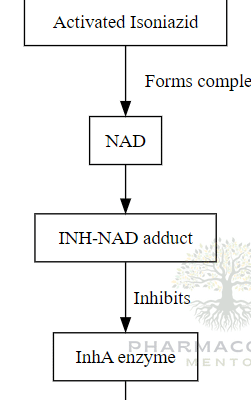
Mycobacterium tuberculosis, also known as Koch’s bacillus, is a species of pathogenic bacteria that is the causative agent of tuberculosis. It was first discovered in 1882 by Robert Koch1. The bacterium has an unusual, waxy coating on its cell surface primarily due to the presence of mycolic acid. This coating makes the cells impervious to Gram…

Read More

Bronchial Asthma and its Treatment

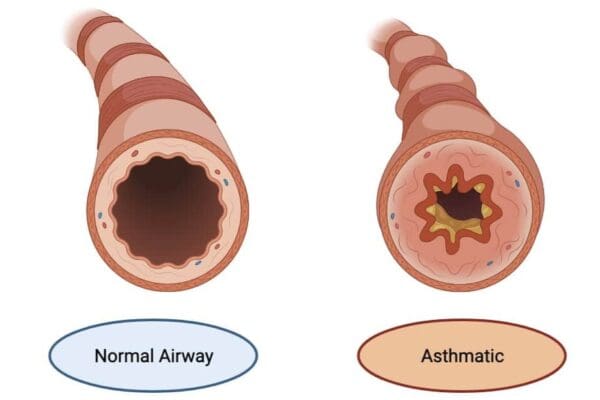
Asthma Bronchial asthma is a condition characterized by bronchial hyperreactivity and inflammation. The activation of IgE bound to mast cells by the antigen leads to the degranulation of mast cells, resulting in the release of various mediators, such as leukotrienes, prostaglandins, platelet-activating factor, histamine, and protease enzymes. These mediators can cause bronchoconstriction and inflammation, leading…

Read More

Alzheimer’s Disease and treatment

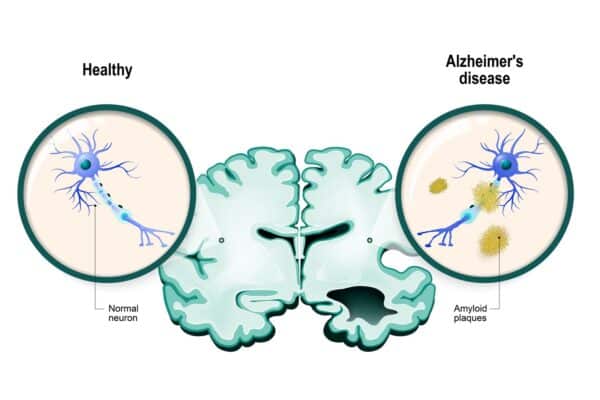
Dementia and Treatment of Alzheimer’s Disease Alzheimer’s disease is a brain disorder that progressively worsens over time. It’s characterized by changes in the brain that lead to deposits of certain proteins. Alzheimer’s disease causes the brain to shrink and brain cells to eventually die. It is the most common cause of dementia—a gradual decline in…

Read More

Cough and its drug treatment

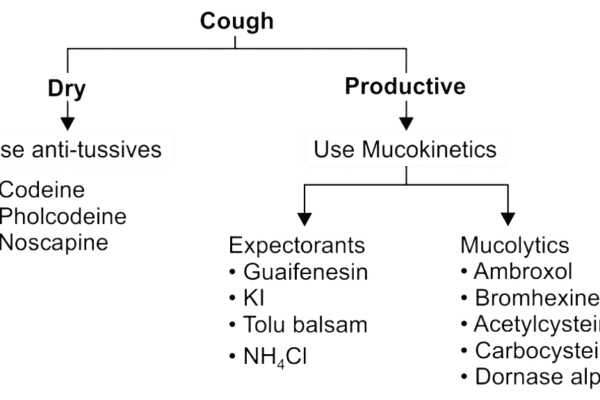
Cough Cough, a common symptom, can be categorized as either productive or non-productive. A productive cough expels mucus or phlegm, whereas a non-productive cough does not produce these secretions [1]​​. The treatment of a cough depends largely on its underlying cause. For a productive cough, mucoactive medications like expectorants are used. Expectorants aim to increase…

Read More
mania

Anti-manic drugs: Lithium and others

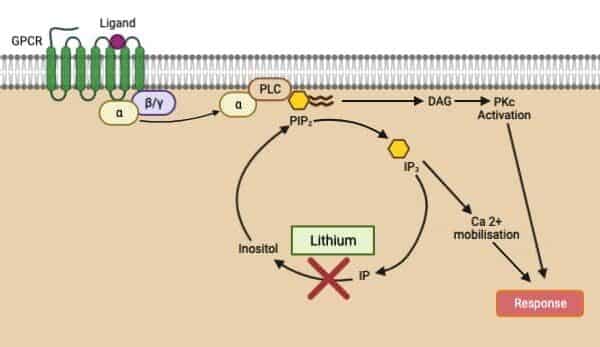
This page is a short summary of antimanic drugs. For detailed notes, click here Summary Points Anti-manic drugs are a class of medications used to treat manic episodes associated with bipolar disorder. Proposed antimanic mechanism of Lithium Alternatives to Lithium Carbamazepine and valproate are useful in manic depressive psychosis (bipolar disorder) and can be used…

Read More

Antidepressant Drugs: A brief note

Brief Summary Drugs can increase monoaminergic transmission by inhibiting the metabolism or reuptake of neurotransmitters such as serotonin (5-HT) and noradrenaline (NA). MAO Inhibitors MAO-A and MAO-B are enzymes involved in the metabolism of monoamines. Non-selective MAO inhibitors (Tranylcypromine, Isocarboxazid, Phenelzine) irreversibly inhibit both MAO-A and MAO-B. These drugs exhibit many drug and food interactions,…

Read More

Pharmacology of Antianxiety Drugs

Antianxiety Drugs: The Relationship Between GABAergic and Serotonergic Activity and Anxiety A reduction in GABAergic activity or an increase in serotonergic activity can lead to anxiety due to mild CNS stimulation. Drugs commonly used to treat anxiety include CNS depressants like benzodiazepines or those that decrease serotonin levels, like buspirone. Benzodiazepines for Anxiety Benzodiazepines are…

Read More

Pharmacology of Antipsychotic Drugs

Summary Points on Antipsychotic Drugs: Classification of Antipsychotics: Typical (D2 blockers) and Atypical (acting via other mechanisms) Actions of Typical Antipsychotics: Actions of Atypical Antipsychotics: Individual Drugs: Adverse Effects: Other Uses: Key Points: Disclaimer: This article is for informational purposes only and should not be taken as medical advice. Always consult with a healthcare professional…

Read More

Pharmacology of Antipsychotic Drugs

Summary Points on Antipsychotic Drugs: Classification of Antipsychotics: Typical (D2 blockers) and Atypical (acting via other mechanisms) Actions of Typical Antipsychotics: Actions of Atypical Antipsychotics: Individual Drugs: Adverse Effects: Other Uses: Key Points: Disclaimer: This article is for informational purposes only and should not be taken as medical advice. Always consult with a healthcare professional…

Read More