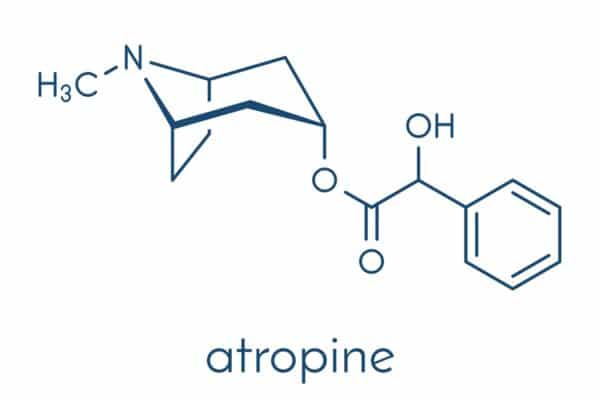
Pharmacolgy of Atropine: antimuscarinic agent

Origin and Chemical Structure Atropine is a naturally occurring amine derived from the deadly nightshade plant, Atropa belladonna, as well as other plants in the nightshade family (Solanaceae). It is an alkaloid, specifically a racemic mixture of d- and l-hyoscyamine, where only l-hyoscyamine is pharmacologically active. The compound is commonly available as a sulfate salt​1,​​2​….

Read More

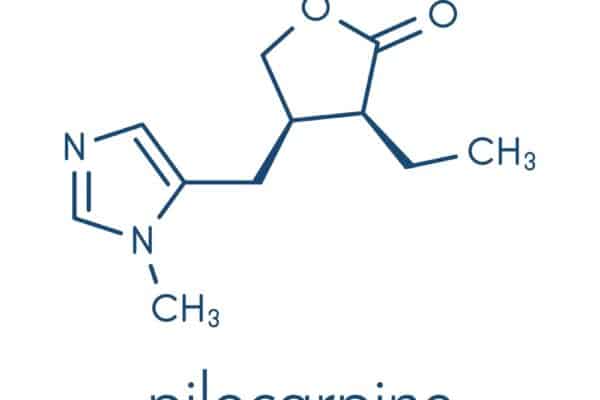
pharmacology of Pilocarpine: a muscarinic receptor agonist

Pilocarpine is a muscarinic receptor agonist, specifically targeting the M3 subtype of muscarinic receptors found on the iris sphincter muscle and the ciliary muscle. When activated, these receptors cause muscle contraction, leading to pupil constriction (miosis) and facilitating the outflow of aqueous humor from the eye, respectively. These actions result in a decrease in intraocular…

Read More

pharmacology of Anticholinergics: Atropine

Atropine is a medication that belongs to a class of drugs known as anticholinergics or parasympatholytics. It has a variety of uses in medicine, ranging from treating certain types of poisonings to reducing saliva production during surgery. Below is a comprehensive overview of atropine: Mechanism of Action: Atropine works by blocking the action of acetylcholine…

Read More

Pharmacology of Gonadotropin-releasing hormone (GnRH) antagonists

Introduction Gonadotropin-releasing hormone (GnRH) antagonists are a distinct class of medications crucial in managing reproductive health conditions. They act by modulating the hypothalamic-pituitary-gonadal axis, which is fundamental to human reproduction. The primary molecule of interest in this class is GnRH, a decapeptide that orchestrates the release of gonadotropic hormones from the anterior pituitary​1​. Mechanism of…

Read More

Gonadotropin releasing hormone (GnRH) agonists

Introduction Gonadotropin-Releasing Hormone (GnRH) agonists/analogues are a class of drugs primarily used in the management of hormone-responsive diseases. They play a crucial role in manipulating the hormonal environment within the body, specifically targeting the hypothalamic-pituitary-gonadal axis. Here’s a comprehensive look at their pharmacology: Drug examples Here are some examples of GnRH agonists: Mechanism of Action…

Read More

Pharmacology of Danazol: a synthetic steroid

Introduction Danazol is a synthetic steroid derived from ethisterone (a modified testosterone) and is known for its antigonadotropic and anti-estrogenic activities. It was initially approved by the U.S. FDA for the treatment of endometriosis, although its use has been largely superseded by gonadotropin-releasing hormone (GnRH) agonists. Besides endometriosis, Danazol is utilized for managing fibrocystic breast…

Read More

Pharmacology of Testosterone

Testosterone is a steroid hormone that plays a crucial role in the development of male reproductive tissues, as well as promoting secondary sexual characteristics such as increased muscle and bone mass, and the growth of body hair. It is considered the primary male sex hormone, but it is also present in females in smaller amounts,…

Read More

Pharmacology of Quinupristin-dalfopristin

Quinupristin-dalfopristin is a combination antibiotic medication used to treat certain types of severe bacterial infections. It belongs to a class of drugs known as streptogramins. Below is a comprehensive overview of its pharmacology: Mechanism of Action Quinupristin and dalfopristin work synergistically to inhibit bacterial protein synthesis. Quinupristin binds to the 50S ribosomal subunit and changes…

Read More

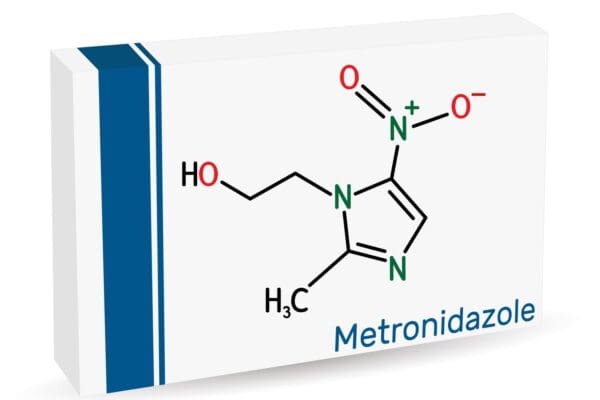
Metronidazole: an antibiotic and antiprotozoal medication

Introduction Metronidazole is a critical antibiotic primarily used for the treatment of anaerobic bacterial infections, protozoal infections, and microaerophilic bacterial infections. It demonstrates cytotoxicity towards facultative anaerobic microorganisms and is FDA-approved for certain anaerobic and protozoal infections, making it a mainstay in treating these conditions​1, ​​2​. Mechanism of Action The mechanism of action of Metronidazole…

Read More

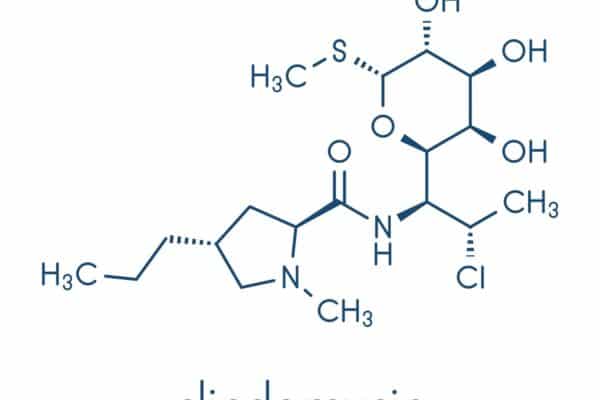
Clindamycin: a lincosamide antibiotic

Clindamycin is a lincosamide antibiotic that is used to treat a wide variety of bacterial infections. It is particularly effective against certain types of Gram-positive bacteria and anaerobic bacteria. Below is a detailed analysis of the pharmacology of clindamycin along with recent updates regarding its usage and resistance patterns: Mechanism of Action Clindamycin operates by…

Read More