The history and evolution of antimicrobial agents

The history and evolution of antimicrobial agents is a fascinating journey that spans over a century. Here’s an overview: 1. Discovery of Penicillin (1928) The story of antimicrobial agents begins with the accidental discovery of penicillin by Sir Alexander Fleming in 1928. While working at St. Mary’s Hospital in London, Fleming observed that a mold…
Read More

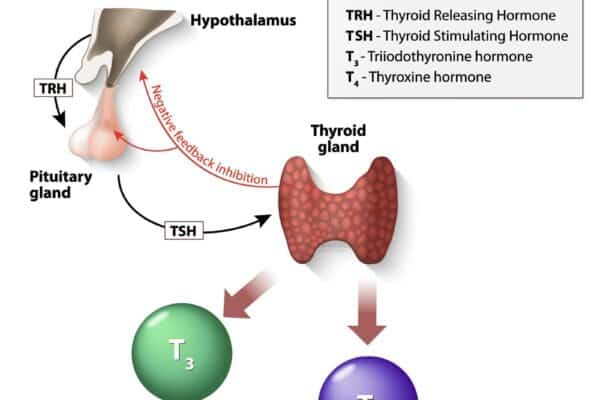
Physiology of the Thyroid Gland

1. Functional Unit and Structure of thyroid gland: The thyroid gland is composed of follicles, each consisting of a single layer of epithelial cells surrounding a cavity filled with colloid containing thyroglobulin. This structure is the functional unit of the thyroid, responsible for the synthesis, storage, and secretion of thyroid hormones. 2. Synthesis of Thyroid…

Read More

Drug Selectivity, Safety, and Risk-Benefit Ratio

The pharmacological landscape is complex, and drugs often produce a range of effects, both therapeutic and adverse. Understanding these nuances is crucial for clinicians to make informed decisions. This article explores key concepts like dose-response curves (DRCs), therapeutic index, therapeutic window, and the risk-benefit ratio, which are essential for effective and safe drug therapy. Drug…

Read More

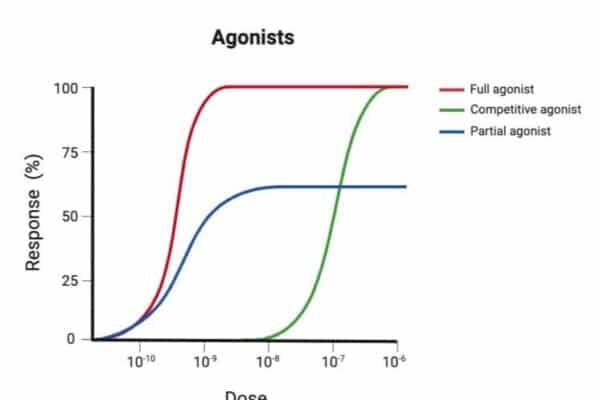
Dose-response relationships

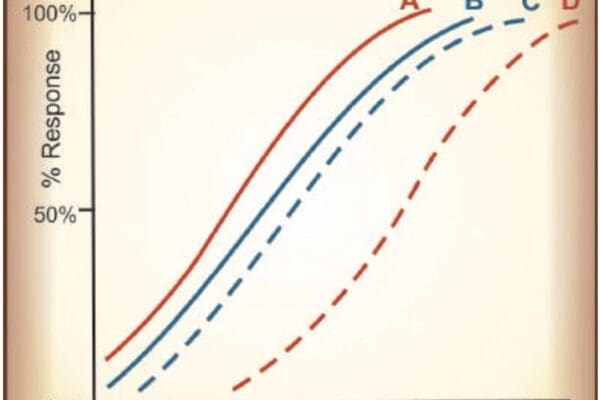
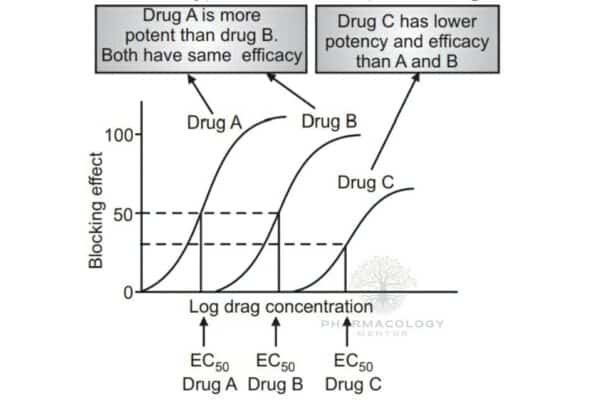
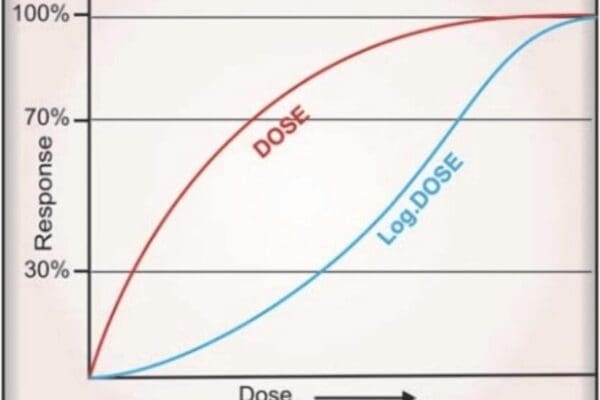
The dose-response relationship is a fundamental concept in pharmacology that describes how the effects of a drug change with varying doses. This relationship is crucial for understanding drug potency, efficacy, and safety. This article delves into the various aspects of dose-response relationships, including pharmacokinetic and pharmacodynamic considerations and their clinical implications. The term “dose-response relationship”…

Read More

Miscellaneous Antiarrhythmic Agents: Adenosine and others

Adenosine Adenosine is an antiarrhythmic agent that is widely used for the investigation and management of both narrow complex and, less often, broad complex tachycardias. It produces a transient block in the atrioventricular node. This effect is mediated by interaction with A1 receptors (reducing cyclic adenosine monophosphate) present on myocytes, thereby activating potassium channels, which…

Read More

Class 4 Antiarrhythmic Drugs: Verapamil and Diltiazem

Verapamil Mechanism of Action Extracardiac Effects Toxicity Pharmacokinetics & Dosage Therapeutic Use Diltiazem Mechanism of Action Toxicity Therapeutic Use Conclusion Class 4 antiarrhythmic drugs like Verapamil and Diltiazem primarily act by blocking calcium channels, which makes them effective in treating supraventricular arrhythmias. However, they come with their own set of risks and side effects, including…

Read More

Antiarrhythmic drugs: Class 3 – Amiodarone and others

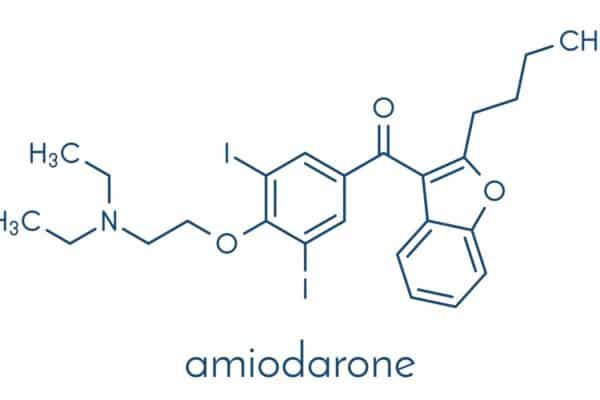
Introduction Class 3 antiarrhythmic drugs are known for their ability to prolong action potentials, primarily by blocking potassium channels in cardiac muscle or enhancing inward currents through sodium channels. This article will focus on amiodarone and other Class 3 antiarrhythmic drugs, discussing their mechanism of action, cardiac and extracardiac effects, toxicity, pharmacokinetics, and therapeutic use….

Read More