The Evolution of Drug Discovery: From Small Molecules to Protein Therapeutics

Introduction The landscape of drug discovery has undergone significant changes over the years. Traditionally dominated by small organic molecules, the field has expanded to include large molecules like proteins, thanks to advancements in recombinant DNA technology. This article explores the journey from traditional small-molecule drugs to the increasingly important role of large molecules in modern…

Read More

Understanding Pharmacology: From Basic Principles to Nature of Drugs

Introduction Pharmacology is a multidisciplinary field that explores the interactions between chemicals and biological systems. It encompasses various sub-disciplines, including medical pharmacology, toxicology, pharmacokinetics, and pharmacodynamics. This article aims to provide an overview of these areas and delve into the nature of drugs, their molecular characteristics, and how they interact with biological receptors. The Scope…

Read More

Complete Guide on Malaria and its Management

Malaria remains one of the most prevalent and deadly diseases worldwide, affecting millions of people each year. Understanding the types of malaria, recognizing its symptoms, and knowing how to manage it effectively are crucial steps in combating this life-threatening disease. In this comprehensive guide, we’ll delve into everything you need to know about malaria, from…

Read More

Neuromuscular Blocking Agents

Neuromuscular blocking agents are a class of drugs that are used to induce muscle relaxation, typically during surgical procedures, mechanical ventilation, or endotracheal intubation. These agents work by interfering with the transmission of nerve impulses to the muscles, leading to paralysis. They do not have any sedative or analgesic effects, so they are usually administered…

Read More

An Overview of Spasmolytics or Antispasmodics

Spasmolytics, also known as antispasmodics, are a class of drugs used to suppress muscle spasms or to decrease the tone of smooth muscle in the gastrointestinal tract, the biliary tract, or the urinary tract. These drugs are commonly used to treat conditions like irritable bowel syndrome (IBS), spastic colon, and other disorders involving smooth muscle…

Read More

Skeletal Muscle Relaxants: A Quick Guide

Introduction Skeletal muscle relaxants are a class of medications commonly used to alleviate muscle spasms and spasticity. These drugs are often employed in the management of conditions like multiple sclerosis and cerebral palsy and after surgical procedures to facilitate intubation or mechanical ventilation. Understanding the pharmacology of skeletal muscle relaxants is crucial for healthcare professionals…

Read More

Preclinical Trials: Things You Need to Know

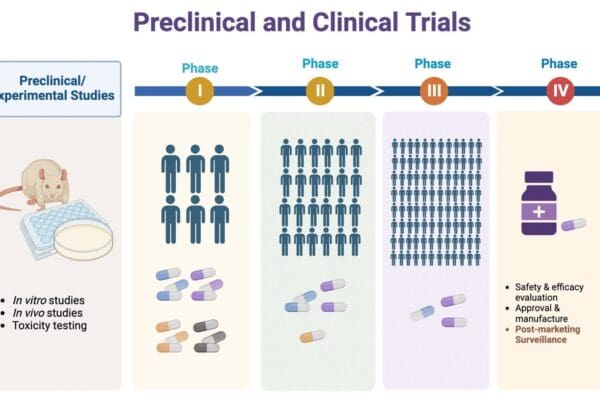
Introduction: The Importance of Preclinical Trials Preclinical trials are the cornerstone of medical research and development. They serve as the initial step in the long journey of bringing a new drug or medical device to market. The trials are designed to evaluate the safety, efficacy, and potential side effects of new treatments before they are…

Read More

The Comprehensive Guide to Clinical Trials

Clinical trials are research studies that evaluate the safety and efficacy of medical interventions, such as drugs, devices, or treatments, in humans. These trials are essential for gaining regulatory approval for new therapies and are conducted in multiple phases. Below is a detailed description of each phase and examples of drugs that have undergone or…

Read More