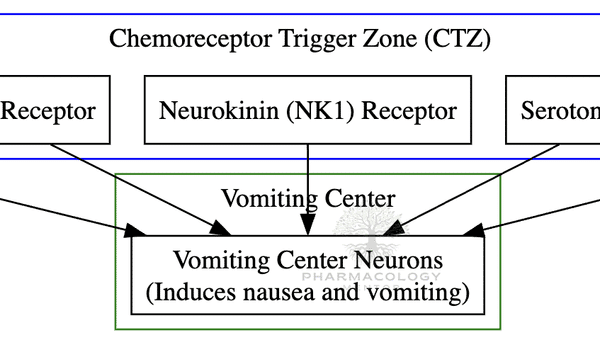
The Vomiting Center and CTZ

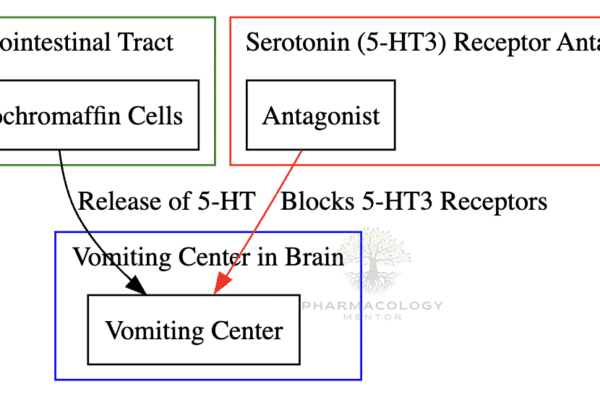
Vomiting is a complex reflex action that involves multiple areas of the brain and various neurotransmitter systems. Central to this process are the Vomiting Center (VC) and the Chemoreceptor Trigger Zone (CTZ). Let’s delve deeper into their roles, the receptors involved, and their significance in conditions like postoperative nausea and vomiting (PONV) and chemotherapy-induced nausea…
Read More

Pharmacology of Antiemetic Drugs

Introduction to Antiemetic Drugs: Antiemetic drugs, often referred to as antiemetics, play a crucial role in the medical world. These medications are designed to prevent and treat nausea and vomiting, symptoms that can arise from a variety of causes. Whether you’re a patient looking for more information or a medical professional seeking a refresher, this…

Read More

Pharmacology of Alpha-Blockers

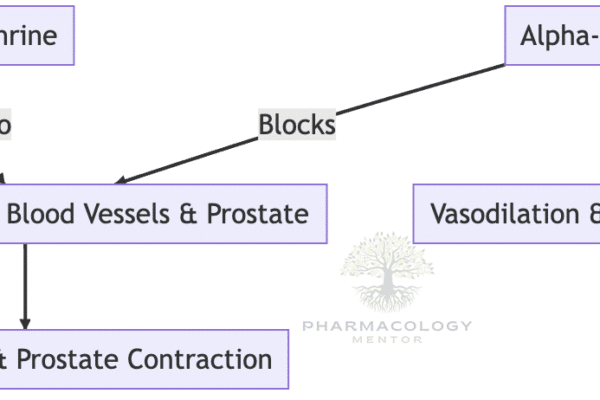
Introduction to Alpha-Blockers: Alpha-blockers, also known as alpha-adrenergic antagonists, are a class of medications that primarily act on the alpha-adrenergic receptors in the body. These receptors are found in various tissues, including the blood vessels and the smooth muscles of the prostate gland in men. Classification of Alpha-Blockers: 1. Non-selective Alpha Blockers (Alpha-1 & Alpha-2)…

Read More

Pharmacology of Beta-Blockers

Introduction to Beta-blockers Beta-blockers, also known as beta-adrenergic blocking agents or beta-adrenoceptor antagonists, are a class of drugs primarily used to manage cardiovascular conditions. They work by blocking the effects of certain hormones, particularly adrenaline (epinephrine), on the beta receptors in the heart and blood vessels. This action results in a decrease in heart rate, blood…

Read More

Pharmacology of Alpha Agonists

Introduction to Alpha Agonists: Alpha agonists are a class of drugs that primarily act on alpha-adrenergic receptors. These receptors are part of the sympathetic nervous system and respond to the neurotransmitters epinephrine (adrenaline) and norepinephrine (noradrenaline). When activated, alpha receptors typically cause constriction of blood vessels and an increase in blood pressure. Alpha agonists can…

Read More

Beta Receptors: A Complete Overview for Medical Professionals

Introduction to Beta Receptors: Beta receptors are adrenergic receptors that respond to the neurotransmitters epinephrine (adrenaline) and norepinephrine (noradrenaline). They are part of the G-protein-coupled receptor family and play a crucial role in the sympathetic nervous system, responsible for the “fight or flight” response. There are three main types of beta receptors: beta-1 (β1), beta-2…

Read More

Understanding Beta-Agonists: A Complete Overview for Patients and Healthcare Providers

Introduction to Beta-Agonists: Beta-agonists are medications that stimulate beta receptors in the body. These receptors are found in various tissues, including the lungs, heart, and blood vessels. Due to their effects, beta-agonists are commonly used to treat conditions like asthma, chronic obstructive pulmonary disease (COPD), and certain heart conditions. Classification of Beta-Agonists: Mechanism of action:…

Read More

Understanding Alteplase: The Tissue Plasminogen Activator You Need to Know

Alteplase Introduction Alteplase, commonly known as tissue plasminogen activator (tPA), is a serine protease enzyme that plays a pivotal role in the dissolution of blood clots. It is a recombinant form of the human tissue-type plasminogen activator produced using recombinant DNA technology. This article delves deep into the pharmacology of alteplase, shedding light on its…

Read More

Sodium Channel Blockers (SCBs)

Sodium Channel Blockers Introduction Sodium Channel Blockers (SCBs) are pivotal in medical therapeutics. These drugs primarily target the sodium channels in cells, inhibiting the flow of sodium ions. This action is crucial in regulating electrical impulses, especially in the heart and nervous system. Their significance in treating various cardiac and neurological conditions is unparalleled. Classification…

Read More

What is Barbiturate toxicity, and how is it treated?

Introduction to Barbiturate Toxicity: Barbiturates, once hailed for their sedative and anticonvulsant properties, have a narrow therapeutic window, making them susceptible to overdose. While their clinical use has diminished over the years in favor of safer alternatives, cases of barbiturate toxicity still emerge, often with life-threatening consequences. Whether due to accidental ingestion, drug interactions, or…

Read More