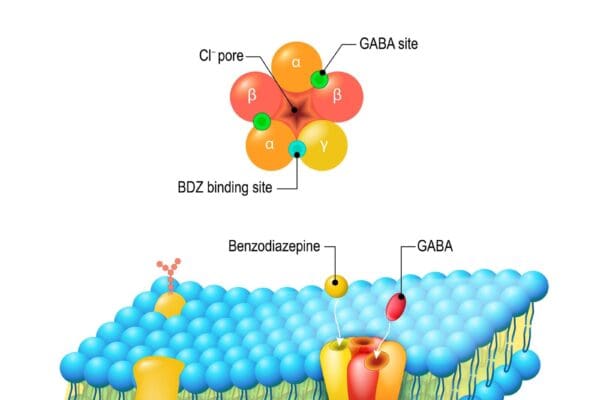
Barbiturates: Mechanisms, Types, and Clinical Relevance

Introduction: Barbiturates are a class of drugs known for their sedative-hypnotic effects, used in the management of conditions like seizure disorders, neonatal withdrawal, insomnia, preoperative anxiety, and the induction of coma for increased intracranial pressure. Additionally, they have a role in inducing anesthesia, with thiopental being a notable example introduced back in 1934 for this…
Read More

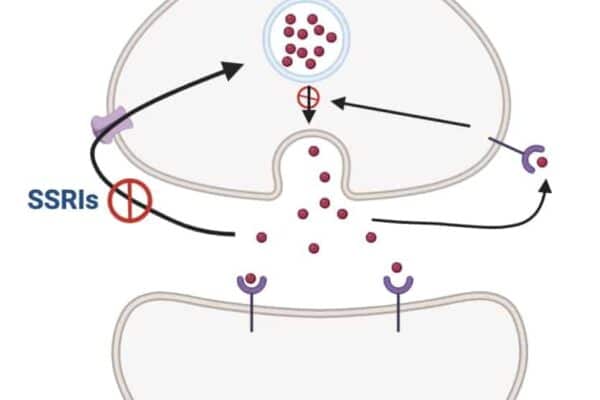
Pharmacology of SSRIs

Introduction to Selective serotonin reuptake inhibitors (SSRIs): Selective serotonin reuptake inhibitors (SSRIs) are a class of antidepressant drugs that specifically target the serotonin neurotransmitter system in the brain. They are commonly used to treat depression, anxiety disorders, and other mood disorders. Classification of SSRIs: Some examples of SSRIs include: Mechanism of Action: SSRIs selectively inhibit…

Read More

Understanding Cyclooxygenase (COX) Enzymes

Cyclooxygenase (COX), which is also called prostaglandin-endoperoxide synthase (PTGS), is an enzyme that converts arachidonic acid into prostanoids like thromboxane and prostaglandins like prostacyclin. This enzyme is a member of the animal-type heme peroxidase family and is also referred to as prostaglandin G/H synthase. The specific reaction it catalyzes involves the conversion of arachidonic acid…

Read More

Pharmacology of Paracetamol/Acetaminophen

Introduction: Paracetamol, commonly known as acetaminophen in some regions, stands as a cornerstone in the realm of over-the-counter medications. Renowned for its analgesic (pain-relieving) and antipyretic (fever-reducing) properties, it’s often the first line of defense against mild to moderate pain and fever, primarily due to its commendable safety profile when adhering to recommended dosages. Mechanism…

Read More

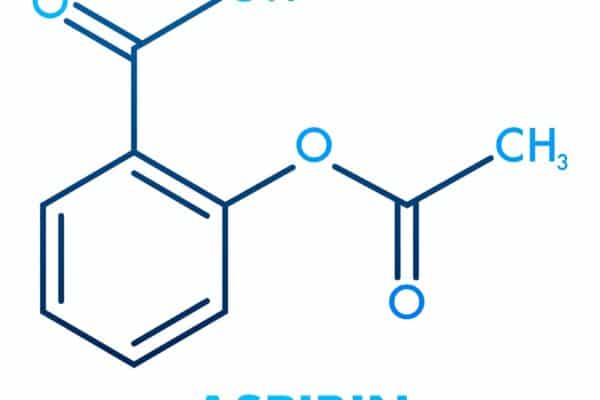
Aspirin: A Comprehensive Pharmacological Overview

Aspirin, scientifically known as acetylsalicylic acid (ASA), is a cornerstone in the world of nonsteroidal anti-inflammatory drugs (NSAIDs). With its multifaceted roles as an analgesic, antipyretic, and anti-inflammatory agent, aspirin has secured its position as one of the most frequently administered medications worldwide. Mechanism of Action At the heart of aspirin’s mechanism is its ability…

Read More

Pharmacology of Benzodiazepines

Pharmacology of Benzodiazepines: Benzodiazepines (BZDs) are a class of psychoactive drugs that primarily act on the central nervous system (CNS). They modulate the neurotransmitter gamma-aminobutyric acid (GABA), enhancing its inhibitory effects. This results in various therapeutic actions, including sedation, muscle relaxation, anxiolysis, and anticonvulsant effects. Classification of Benzodiazepines: a. Short-acting Benzodiazepines: b. Intermediate-acting Benzodiazepines: c….

Read More

Pharmacology of Antitussives

Introduction of Antitussives Antitussives are drugs that suppress or relieve coughing. They act centrally on the cough center in the medulla oblongata of the brain or peripherally on the cough receptors in the respiratory tract. Classification of Antitussives: a. Opioid Antitussives: Codeine: A mild opioid analgesic also used as a cough suppressant. Hydrocodone: A stronger…

Read More

Antiemetic Drugs: An Overview of Their Pharmacology

Introduction Antiemetic drugs play a crucial role in healthcare, providing relief to patients suffering from nausea and vomiting, symptoms often associated with various medical conditions and treatments. This article delves into the pharmacology of antiemetic drugs, offering an in-depth understanding of their mechanisms of action, uses, and potential side effects. Mechanism of Action of Antiemetic…

Read More

Pharmacology of Mucosal Protective Agents

Introduction In the vast realm of pharmacology, Mucosal Protective Agents are a beacon of relief for many patients suffering from gastrointestinal disorders. As their name suggests, these agents play a crucial role in protecting the mucosal lining of the stomach and intestines, promoting healing, and alleviating discomfort. This article aims to provide an in-depth understanding…

Read More

Pharmacology of Antacids

Antacids are medications that counteract the acid in the stomach to relieve indigestion, heartburn, and other stomach-related discomforts. Their primary function is to neutralize stomach acid, providing symptomatic relief from acid-related disorders. Let’s delve deeper into the pharmacology of antacids. Mechanism of Action Antacids work by a simple mechanism: they neutralize gastric acid, raising the…

Read More