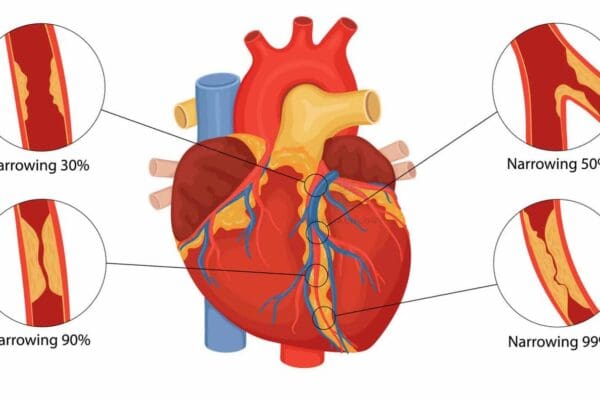
How Ischemic Heart Disease is treated?

The treatment of ischemic heart disease aims to improve blood flow to the heart muscle. This can be achieved through a combination of lifestyle changes, medications, and in some cases, surgical procedures. Drug Class Examples Pharmacokinetics Mechanism of Action/Pharmacological Actions Therapeutic Uses Adverse Effects Contraindications Drug Interactions Antiplatelet Drugs Aspirin, Clopidogrel Rapidly absorbed in the stomach…
Read More

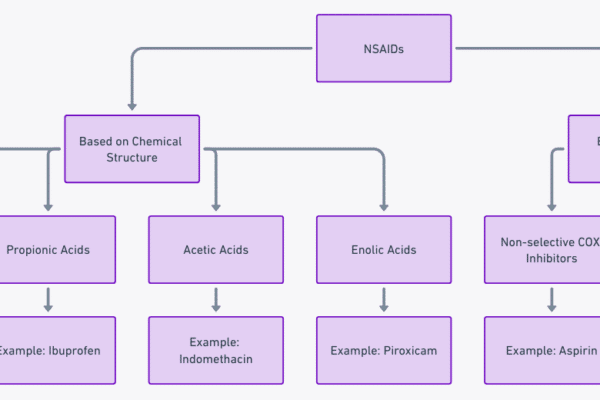
Non-Steroidal Anti-Inflammatory Drugs (NSAIDs) – A Comprehensive Guide

Understanding NSAIDs: What are they? Non-Steroidal Anti-Inflammatory Drugs, commonly known as NSAIDs, are a class of drugs primarily used for their analgesic (pain-relieving), antipyretic (fever-reducing), and, as their name suggests, anti-inflammatory effects. They’re a staple in medicine cabinets worldwide and for a good reason. But to truly appreciate these drugs, we need to delve deeper…

Read More

Unlock the Power of Mnemonics in Pharmacology

Discover the transformative role of mnemonics in pharmacology. Learn how these memory-enhancing tools can simplify complex drug information, making it easier to remember and apply in real-world scenarios. Introduction Pharmacology, the branch of medicine that deals with the uses, effects, and modes of action of drugs, is a vast and complex field. It’s a world…

Read More

Obesity: What We Know and What We Can Do?

Obesity is a complex disease that involves an excessive amount of body fat. It isn’t just a cosmetic concern but a medical problem that increases the risk of other diseases and health problems, such as heart disease, diabetes, high blood pressure, and certain cancers ¹. According to the World Health Organization (WHO), overweight and obesity…

Read More

Medicinal Chemistry and its role in Structure-Activity Relationships

Introduction to Medicinal Chemistry Medicinal chemistry is a fascinating field that combines aspects of organic chemistry, pharmacology, and biochemistry. It’s all about designing and synthesizing potential new medications, not just creating these substances. It’s also about understanding how they work at a molecular level. Importance of Medicinal Chemistry The importance of medicinal chemistry cannot be…

Read More

Structure-Activity Relationships (SAR)

Introduction to SAR The field of medicinal chemistry is replete with examples of how subtle changes in the molecular structure of a compound can have profound effects on its biological activity. This concept, known as the structure-activity relationship (SAR), is a fundamental principle in drug discovery and development. In this article, we will delve into…

Read More

Antimicrobial Stewardship: An Editorial Review

Introduction to Antimicrobial Stewardship Antimicrobial stewardship (AMS) is a systematic approach aimed at promoting the appropriate use of antimicrobials to improve patient outcomes, reduce microbial resistance, and decrease the spread of infections caused by multidrug-resistant organisms[1]. The Importance of Antimicrobial Stewardship AMS is crucial in the fight against antimicrobial resistance (AMR), a global health threat…

Read More

Unlock the Power of In Silico Techniques in Pharmacology

In the realm of pharmacology, the last century has witnessed a significant evolution in scientific research. This evolution has been driven by meticulously designed studies and continuous technological advancements that have enabled the measurement and analysis of biological samples and subjects. As a result, our understanding of biological systems has expanded exponentially. The term ‘in…

Read More