Cough and its drug treatment

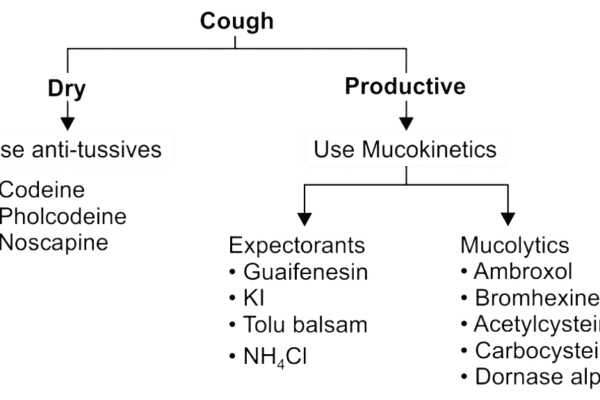
Cough Cough, a common symptom, can be categorized as either productive or non-productive. A productive cough expels mucus or phlegm, whereas a non-productive cough does not produce these secretions [1]​​. The treatment of a cough depends largely on its underlying cause. For a productive cough, mucoactive medications like expectorants are used. Expectorants aim to increase…
Read More
mania

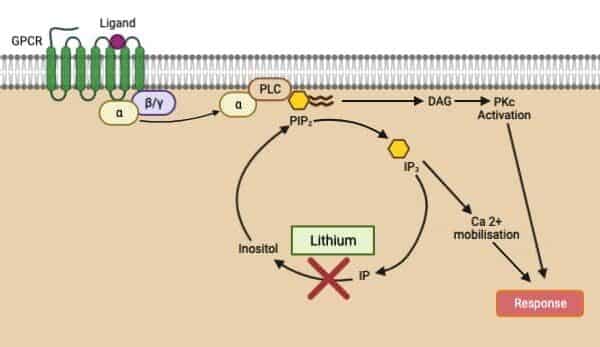
Anti-manic drugs: Lithium and others

This page is a short summary of antimanic drugs. For detailed notes, click here Summary Points Anti-manic drugs are a class of medications used to treat manic episodes associated with bipolar disorder. Proposed antimanic mechanism of Lithium Alternatives to Lithium Carbamazepine and valproate are useful in manic depressive psychosis (bipolar disorder) and can be used…

Read More

Antidepressant Drugs: A brief note

Brief Summary Drugs can increase monoaminergic transmission by inhibiting the metabolism or reuptake of neurotransmitters such as serotonin (5-HT) and noradrenaline (NA). MAO Inhibitors MAO-A and MAO-B are enzymes involved in the metabolism of monoamines. Non-selective MAO inhibitors (Tranylcypromine, Isocarboxazid, Phenelzine) irreversibly inhibit both MAO-A and MAO-B. These drugs exhibit many drug and food interactions,…

Read More

Pharmacology of Antianxiety Drugs

Antianxiety Drugs: The Relationship Between GABAergic and Serotonergic Activity and Anxiety A reduction in GABAergic activity or an increase in serotonergic activity can lead to anxiety due to mild CNS stimulation. Drugs commonly used to treat anxiety include CNS depressants like benzodiazepines or those that decrease serotonin levels, like buspirone. Benzodiazepines for Anxiety Benzodiazepines are…

Read More

Pharmacology of Antipsychotic Drugs

Summary Points on Antipsychotic Drugs: Classification of Antipsychotics: Typical (D2 blockers) and Atypical (acting via other mechanisms) Actions of Typical Antipsychotics: Actions of Atypical Antipsychotics: Individual Drugs: Adverse Effects: Other Uses: Key Points: Disclaimer: This article is for informational purposes only and should not be taken as medical advice. Always consult with a healthcare professional…

Read More

Pharmacology of Antipsychotic Drugs

Summary Points on Antipsychotic Drugs: Classification of Antipsychotics: Typical (D2 blockers) and Atypical (acting via other mechanisms) Actions of Typical Antipsychotics: Actions of Atypical Antipsychotics: Individual Drugs: Adverse Effects: Other Uses: Key Points: Disclaimer: This article is for informational purposes only and should not be taken as medical advice. Always consult with a healthcare professional…

Read More

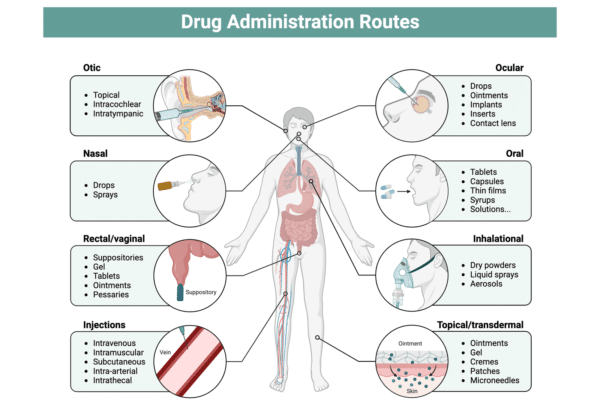
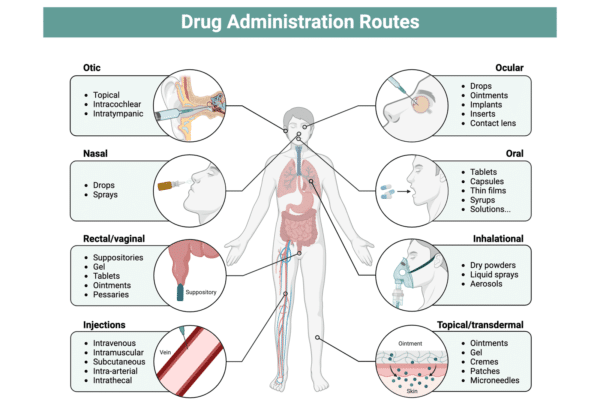
Routes of Drug Administration

Administration of drugs to human subjects ranges from oral, sublingual, rectal, intravenous, intramuscular, subcutaneous, intradermal, and intrathecal. The method of administration selected is dependent upon a multitude of variables, such as the distinctive characteristics of the drug, the current condition of the patient, and the projected therapeutic outcome. It is important for healthcare providers to…

Read More

Routes of Drug Administration

Introduction The administration of drugs is an essential aspect of medical practice. It involves the process of delivering medication to a patient’s body through various routes. The appropriate route of administration for a given situation depends on several factors, including the drug’s physical and chemical properties and patient-related factors. This chapter discusses the different routes…

Read More

Dosage Forms of the Drugs

Introduction In the vast world of pharmaceuticals, understanding the various dosage forms of drugs is crucial. This article will delve into the different forms, their significance, and how they impact the effectiveness of medications. We’ll also use a flowchart to simplify the complex process of drug formulation. So, let’s embark on this journey of discovery…

Read More

An Overview of Essential Medicines

Introduction In the vast world of healthcare, there’s a term that stands out for its significance – “Essential Medicines.” These are the drugs that satisfy the healthcare needs of the majority of the population. They are selected with due regard to disease prevalence, evidence on efficacy and safety, and comparative cost-effectiveness. But what exactly are…

Read More