Pharmacology of Oxytocin

Oxytocin, often referred to as the “love hormone,” plays a crucial role in various physiological and psychological processes. This article delves into the pharmacology of oxytocin, drawing insights from several authoritative sources. Introduction Oxytocin is a peptide hormone and neuropeptide, primarily known for its roles in childbirth and lactation. However, its influence extends to social…
Read More

Pharmacology of Tocolytic Agents

Tocolytic agents are medications used to suppress premature labor by inhibiting uterine contractions. Their primary goal is to delay delivery long enough to allow for the administration of antenatal corticosteroids to accelerate fetal lung maturity and to transfer the mother to a facility equipped for premature births. This article provides a comprehensive overview of the…

Read More

Pharmacology of thyroid drugs – an Overview

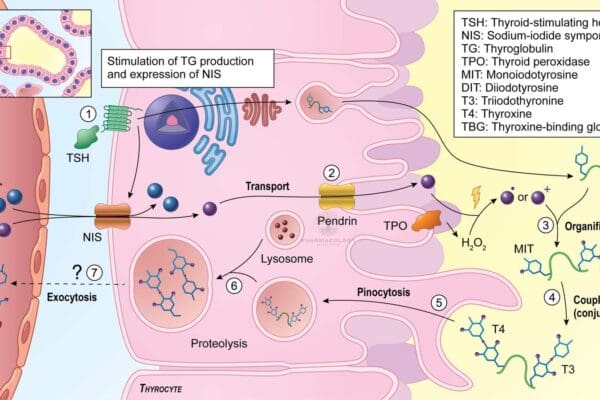
The pharmacology of thyroid drugs encompasses a range of medications used to treat disorders of the thyroid gland. The thyroid gland secretes two types of hormones: iodine-containing amino acids (thyroxine [T4] and triiodothyronine [T3]) and a peptide (calcitonin). T4 and T3 have broad effects on growth, development, and metabolism, while calcitonin is involved in calcium…

Read More

Pharmacology of Prostaglandin Analogues

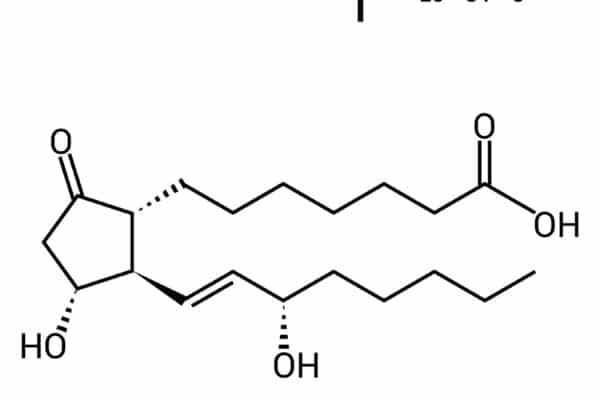
Introduction Prostaglandin analogues are a class of drugs that bind to a prostaglandin receptor1. They have revolutionized the management of glaucoma, with their intraocular pressure (IOP) reducing efficacy combined with few systemic side effects and once a day dosing2. Mechanism of Action In Glaucoma Treatment: Prostaglandin analogues work by enhancing uveoscleral outflow of aqueous humour. They may…

Read More

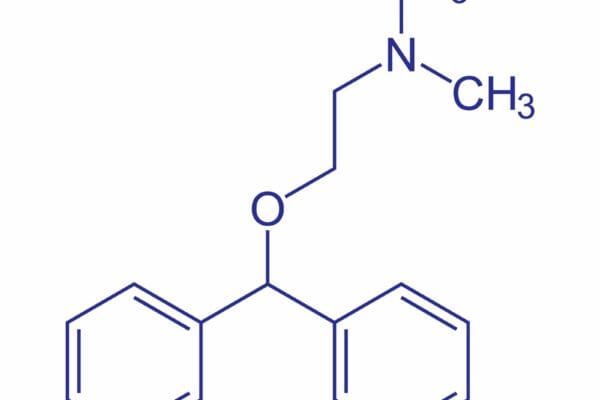
Pharmacology of Diphenhydramine

Diphenhydramine is a first-generation antihistamine widely used for its efficacy in treating various allergic reactions, insomnia, and motion sickness. Mechanism of Action Diphenhydramine primarily functions by antagonizing the H1 (histamine 1) receptor, though it exhibits other mechanisms of action as well. The H1 receptor is found in numerous body tissues, including respiratory smooth muscles, vascular…

Read More

Pharmacology of Levocetirizine

Introduction Levocetirizine is a second-generation antihistamine that is used to treat symptoms associated with chronic allergic rhinitis and uncomplicated cases of chronic idiopathic urticaria. It is the R enantiomer of cetirizine and has a greater affinity for the histamine H1 receptor than cetirizine. Levocetirizine was granted FDA approval in 19951. Mechanism of Action Levocetirizine is an…

Read More

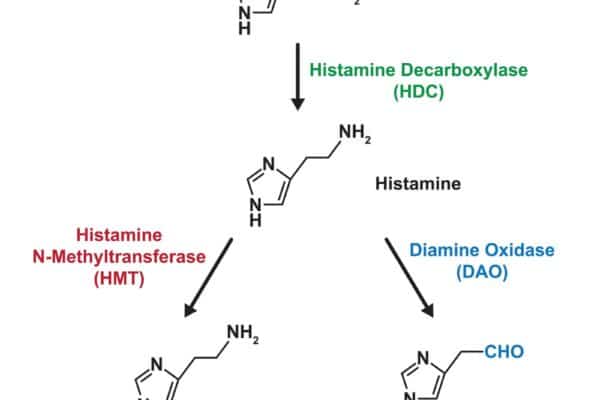
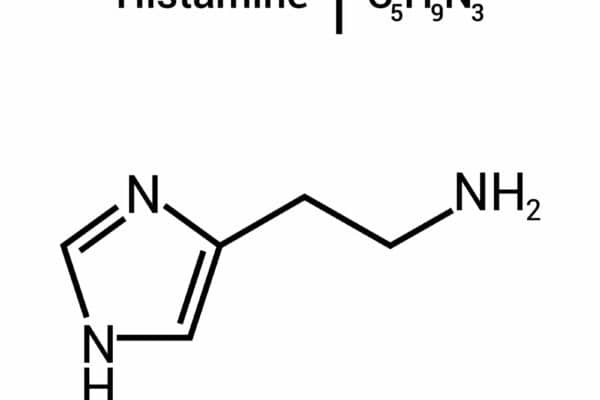
Pharmacology of Histamine and Antihistamines

Histamine, a pivotal mediator in various physiological and pathological processes, is synthesized from the amino acid L-histidine. This transformation is facilitated by the enzyme histidine decarboxylase. Histamine’s diverse roles in the body are mediated through its interaction with four types of G-protein-coupled receptors: H1, H2, H3, and H4, each distinct in their distribution and function…

Read More

Pharmacology of Autacoids

Autacoids, also known as autocoids, are biological factors resembling local hormones. They are produced, act, and are metabolized locally within the body, influencing activities of various tissues such as smooth muscles, glands, nerves, platelets, and more (1). Notable autacoids include eicosanoids, angiotensin, neurotensin, nitric oxide, kinins, histamine, serotonin, endothelins, and palmitoylethanolamide. Autacoids are classified into…

Read More

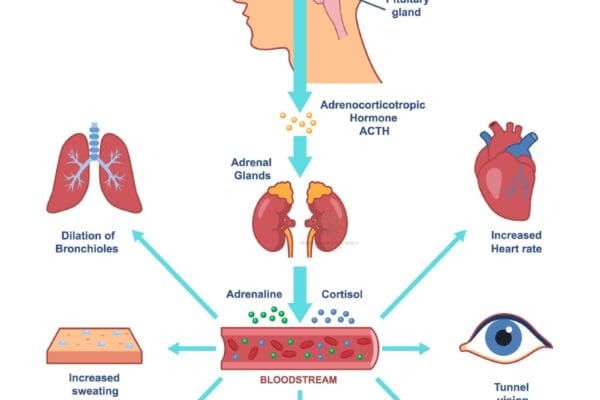
Pharmacology of Adrenaline

Adrenaline, also known as epinephrine, is a vital hormone and neurotransmitter released by the adrenal medulla, primarily in response to stressful scenarios. Its crucial role in the “fight-or-flight” response prepares the body to confront or flee from potential threats. Below is an in-depth exploration of the pharmacology of adrenaline: Mechanism of Action Adrenaline is an…

Read More