Pharmacology of Succinylcholine

Succinylcholine, also known as suxamethonium, is a short-acting depolarizing neuromuscular blocking agent employed chiefly to facilitate rapid endotracheal intubation and to provide skeletal muscle relaxation during surgical procedures or mechanical ventilation​1, ​​2, ​​3​. Here’s a detailed overview of its pharmacology: Classification Succinylcholine is classified as a depolarizing neuromuscular blocking agent (NMBA), listed on the World…
Read More

Pharmacology of Vecuronium

Vecuronium is a non-depolarizing neuromuscular blocking agent utilized for muscle relaxation during surgical procedures or as an adjunct in general anesthesia. Here’s a detailed breakdown of its pharmacology: Classification Mechanism of Action: Pharmacokinetics Indications Adverse Effects Drug Interactions Special Populations This thorough analysis of Vecuronium’s pharmacology underscores its mechanism of action, pharmacokinetics, clinical uses, and…

Read More

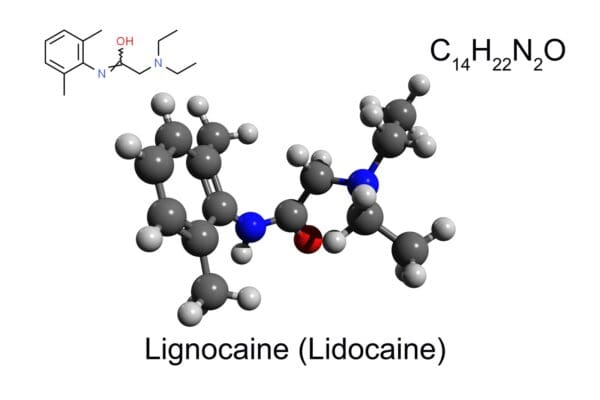
Pharmacology of Lidocaine

Introduction This article provides in-depth pharmacology of Lidocaine, a crucial local anesthetic and class Ib antiarrhythmic agent. It delves into detailed pharmacology, elucidating the mechanism of action, factors affecting anesthetic efficacy, and extensive clinical applications. Highlighted are various anesthetic techniques empowered by Lidocaine and recent advancements that expand its therapeutic scope. Through reputable references, this…

Read More

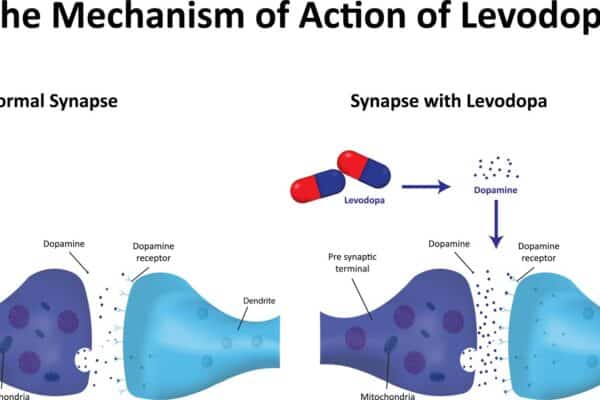
Pharmacology of Levodopa (L-Dopa) and Carbidopa: the combination

Levodopa (L-Dopa) and Carbidopa are used in combination to manage the symptoms of Parkinson’s disease (PD), a neurodegenerative disorder characterized by tremors, rigidity, and bradykinesia. The pharmacology of these drugs hinges on the modulation of dopamine activity in the brain, given the critical role dopamine deficiency plays in the manifestation of Parkinson’s disease symptoms. Below…

Read More

Linzagolix Pharmacology and Recent Advancements

Introduction Linzagolix, brand named Yselty®, is a selective, orally administered, non-peptide small molecule gonadotrophin-releasing hormone (GnRH) receptor antagonist developed by Kissei Pharmaceutical, aimed at treating uterine fibroids and endometriosis in women of reproductive age​1​. Here is an in-depth insight into Linzagolix’s pharmacology, along with some recent updates: Mechanism of Action Linzagolix operates by binding to…

Read More

Pharmacology of Albendazole

Introduction Albendazole, a benzimidazole anthelmintic, is an FDA-approved medication employed to manage various parasitic worm infections, demonstrating a broad-spectrum efficacy against numerous helminth diseases​1,​​ 2​. Mechanism of Action: The primary mechanism of action revolves around the inhibition of microtubule polymerization. Specifically, the active metabolite of Albendazole, albendazole sulfoxide, induces selective degeneration of cytoplasmic microtubules in…

Read More

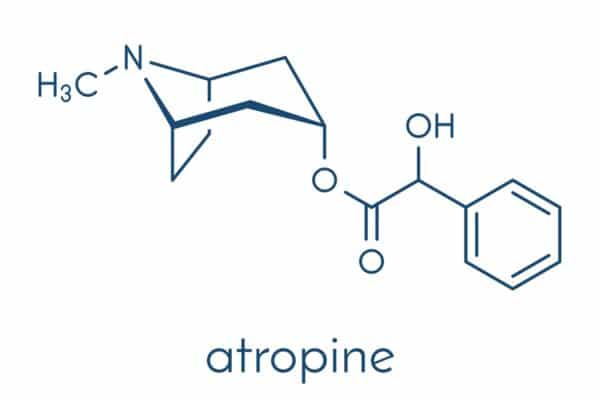
Pharmacolgy of Atropine: antimuscarinic agent

Origin and Chemical Structure Atropine is a naturally occurring amine derived from the deadly nightshade plant, Atropa belladonna, as well as other plants in the nightshade family (Solanaceae). It is an alkaloid, specifically a racemic mixture of d- and l-hyoscyamine, where only l-hyoscyamine is pharmacologically active. The compound is commonly available as a sulfate salt​1,​​2​….

Read More

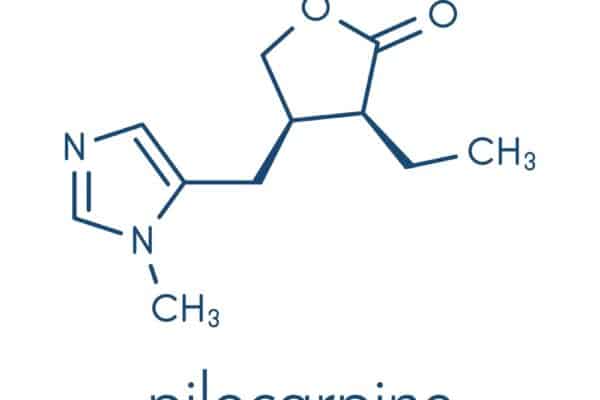
pharmacology of Pilocarpine: a muscarinic receptor agonist

Pilocarpine is a muscarinic receptor agonist, specifically targeting the M3 subtype of muscarinic receptors found on the iris sphincter muscle and the ciliary muscle. When activated, these receptors cause muscle contraction, leading to pupil constriction (miosis) and facilitating the outflow of aqueous humor from the eye, respectively. These actions result in a decrease in intraocular…

Read More

pharmacology of Anticholinergics: Atropine

Atropine is a medication that belongs to a class of drugs known as anticholinergics or parasympatholytics. It has a variety of uses in medicine, ranging from treating certain types of poisonings to reducing saliva production during surgery. Below is a comprehensive overview of atropine: Mechanism of Action: Atropine works by blocking the action of acetylcholine…

Read More

Pharmacology of Gonadotropin-releasing hormone (GnRH) antagonists

Introduction Gonadotropin-releasing hormone (GnRH) antagonists are a distinct class of medications crucial in managing reproductive health conditions. They act by modulating the hypothalamic-pituitary-gonadal axis, which is fundamental to human reproduction. The primary molecule of interest in this class is GnRH, a decapeptide that orchestrates the release of gonadotropic hormones from the anterior pituitary​1​. Mechanism of…

Read More