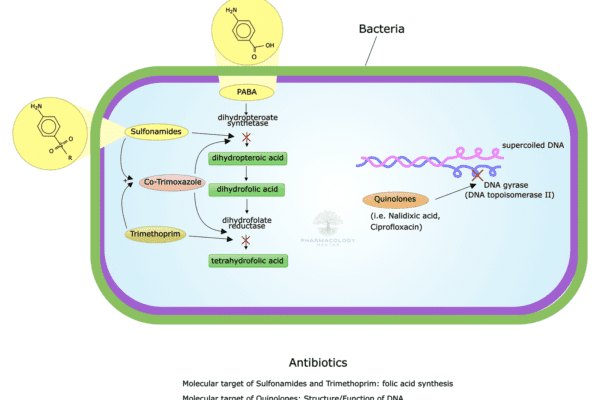
Pharmacology of Fluoroquinolones

Fluoroquinolones are a class of synthetic antibiotics that are effective against a wide range of bacterial infections. They are commonly used to treat respiratory, urinary tract, gastrointestinal, and skin infections. Below is a comprehensive overview of the pharmacology of fluoroquinolones: Classification Fluoroquinolones can be classified based on their generation and spectrum of activity. Some of…
Read More

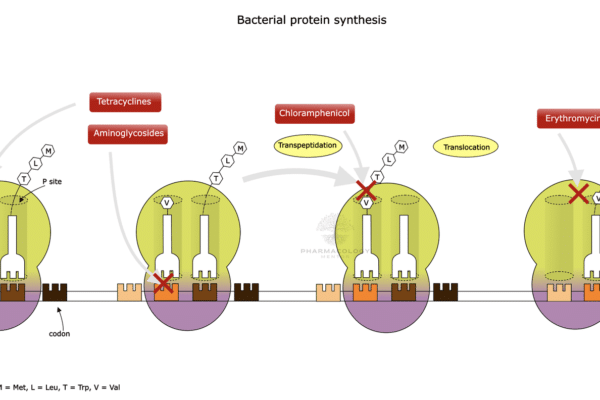
Pharmacology of Macrolides

Macrolides are a class of antibiotics that are known for their broad spectrum of activity, effectiveness against a variety of bacterial pathogens, and unique mechanism of action. They are commonly used to treat respiratory tract infections, skin infections, and some sexually transmitted infections. Below is a comprehensive overview of the pharmacology of macrolides: Classification Macrolides…

Read More

Pharmacology of Tetracyclines

Tetracyclines are a class of broad-spectrum antibiotics that are effective against a wide variety of bacteria. They are commonly used to treat infections of the respiratory tract, skin, and urinary system, as well as certain sexually transmitted infections and acne. Below is a comprehensive overview of the pharmacology of tetracyclines: Classification Tetracyclines include several drugs…

Read More

An In-depth Look into Medical Prescriptions

Introduction: Medical prescriptions are a cornerstone in the healthcare sector, forming a vital communication bridge between physicians and pharmacists and ensuring that patients receive the correct medication in a timely manner. This article combines information from Pharmaguideline, TeachnTest, PharmDGuru, ScienceDirect, and NCBI to give a complete picture of prescriptions. It does this by looking at…

Read More

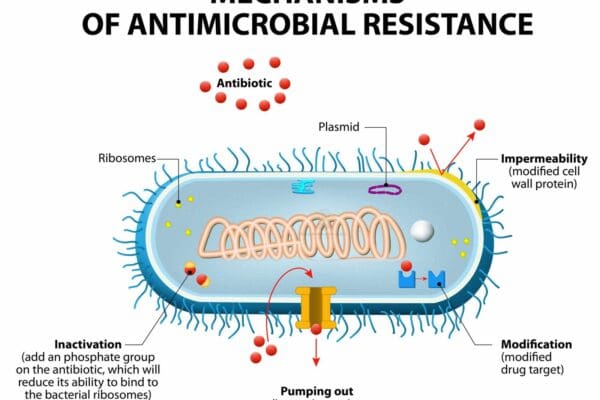
Antimicrobial resistance

Antimicrobial resistance is a significant concern in the field of medicine. Resistance and its Mechanisms in Antimicrobial Chemotherapy: 1. Definition of Resistance: Resistance refers to the ability of microorganisms to withstand the effects of an antimicrobial agent that was once effective against them. This can result in the ineffectiveness of treatment, leading to prolonged illness…

Read More

Principles of Antimicrobial Chemotherapy

Antimicrobial chemotherapy is a fascinating field that has revolutionized medicine. But what principles guide its effective use? Let’s dive in! Introduction to Antimicrobial Chemotherapy Ever since the discovery of antibiotics, the field of antimicrobial chemotherapy has been a cornerstone in treating infectious diseases. It involves the use of chemicals to inhibit or kill microorganisms causing…

Read More

The history and evolution of antimicrobial agents

The history and evolution of antimicrobial agents is a fascinating journey that spans over a century. Here’s an overview: 1. Discovery of Penicillin (1928) The story of antimicrobial agents begins with the accidental discovery of penicillin by Sir Alexander Fleming in 1928. While working at St. Mary’s Hospital in London, Fleming observed that a mold…

Read More

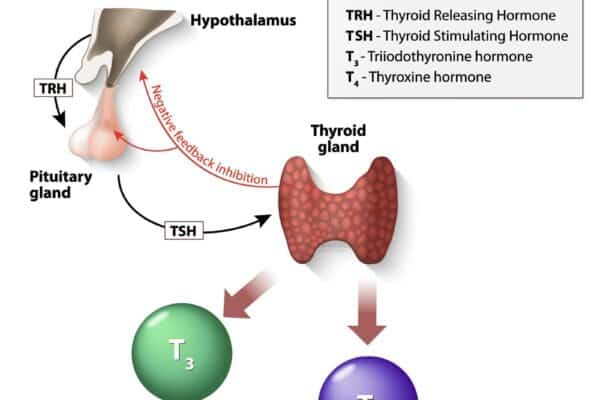
Physiology of the Thyroid Gland

1. Functional Unit and Structure of thyroid gland: The thyroid gland is composed of follicles, each consisting of a single layer of epithelial cells surrounding a cavity filled with colloid containing thyroglobulin. This structure is the functional unit of the thyroid, responsible for the synthesis, storage, and secretion of thyroid hormones. 2. Synthesis of Thyroid…

Read More

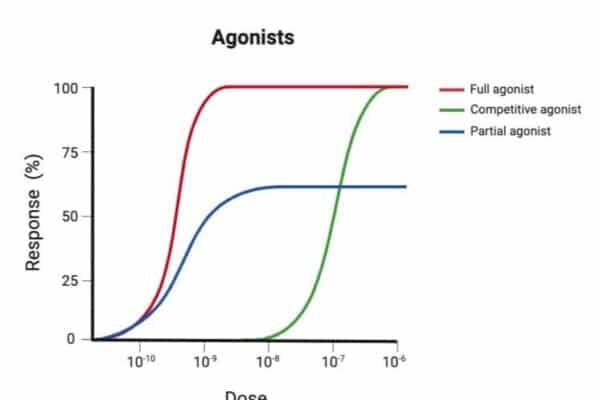
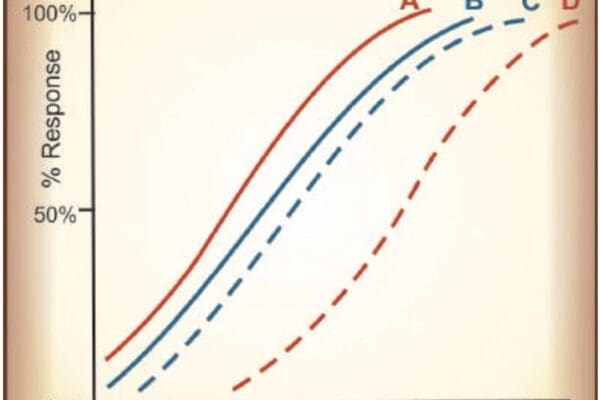
Drug Selectivity, Safety, and Risk-Benefit Ratio

The pharmacological landscape is complex, and drugs often produce a range of effects, both therapeutic and adverse. Understanding these nuances is crucial for clinicians to make informed decisions. This article explores key concepts like dose-response curves (DRCs), therapeutic index, therapeutic window, and the risk-benefit ratio, which are essential for effective and safe drug therapy. Drug…

Read More