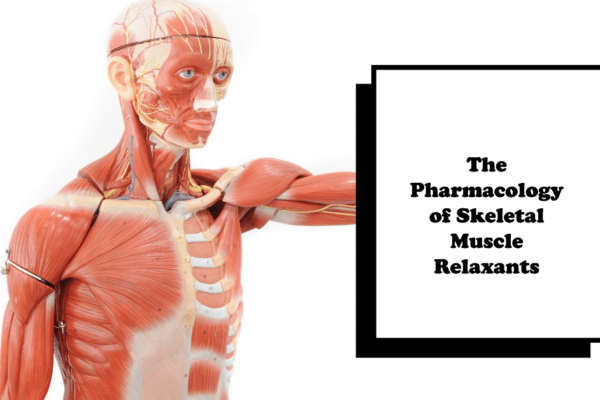
Skeletal Muscle Relaxants: ANS Pharmacology Overview

Introduction/Overview The autonomic nervous system (ANS) exerts considerable influence over skeletal muscle tone through reflex arcs and interregional signaling. Pharmacologic agents that modulate this control are commonly employed to alleviate spasticity, manage acute musculoskeletal pain, and facilitate surgical procedures. A thorough understanding of skeletal muscle relaxants is essential for clinicians and pharmacists, as these drugs…

Read More

ANS Pharmacology: Beta-adrenergic Blockers and Their Clinical Uses

Introduction/Overview Beta-adrenergic blockers, commonly referred to as beta blockers, constitute a pivotal class of agents within autonomic nervous system pharmacology. Their ability to antagonize β-adrenergic receptors underlies a broad spectrum of therapeutic applications, particularly in cardiovascular medicine. As the prevalence of hypertension, heart failure, arrhythmias, and ischemic heart disease continues to rise, the relevance of…

Read More

Alpha-Adrenergic Blockers Pharmacology

Introduction / Overview Alpha-adrenergic blockers constitute a pivotal class of pharmacotherapeutic agents that modulate sympathetic nervous system activity by antagonizing α-adrenergic receptors. Their principal clinical applications encompass hypertension, benign prostatic hyperplasia (BPH), and certain vasospastic disorders. The therapeutic potential of these agents is rooted in their ability to inhibit vasoconstriction, lower peripheral resistance, and relieve…

Read More

ANS Pharmacology: Sympathomimetics and Adrenergic Agonists

Introduction/Overview Sympathomimetics and adrenergic agonists constitute a diverse group of pharmacologic agents that emulate the actions of endogenous catecholamines, predominantly norepinephrine and epinephrine. These compounds are pivotal in the regulation of cardiovascular, respiratory, and metabolic processes, and their therapeutic utility spans acute and chronic conditions. The autonomic nervous system (ANS) exerts a profound influence on…

Read More

ANS Pharmacology: Adrenergic Transmission and Catecholamine Synthesis

Introduction/Overview Adrenergic transmission constitutes a central component of the autonomic nervous system (ANS), mediating rapid adjustments to cardiovascular, metabolic, and respiratory functions. Catecholamines—primarily norepinephrine and epinephrine—serve as primary neurotransmitters and hormones, respectively, engaging a spectrum of α‑ and β‑adrenergic receptors distributed throughout the body. A detailed understanding of the biochemistry, receptor pharmacology, and therapeutic manipulation…

Read More

Pharmacodynamics: Agonists, Antagonists, and Inverse Agonists

Introduction Pharmacodynamics concerns the relationship between drug concentration at the site of action and the resulting effect. Core to this field is the classification of ligands based on their interaction with receptors: agonists, antagonists, and inverse agonists. These distinctions are essential for understanding drug efficacy, potency, and therapeutic index, as well as predicting clinical outcomes…

Read More
Malaria

Pharmacotherapy of Malaria: A Detailed Exploration

Malaria, a parasitic disease transmitted through the bite of infected female Anopheles mosquitoes, continues to pose a significant global health threat. While preventable and curable, it tragically claims hundreds of thousands of lives annually, primarily affecting young children in sub-Saharan Africa. Effective pharmacotherapy plays a critical role in controlling and eliminating this devastating disease. This…

Read More
anxiety

What Type of Psychotherapy Is Best for Anxiety?

Anxiety disorders are among the most common mental health conditions, affecting millions of people worldwide. While medication can be an effective treatment option, psychotherapy has proven to be a crucial component in managing and overcoming anxiety. This article explores the various types of psychotherapy available and discusses which approaches are most effective for treating anxiety…

Read More
Skeletal Muscle Relaxants

Pharmacology of Skeletal Muscle Relaxants

Introduction Skeletal muscle relaxants are a heterogeneous group of medications used to treat a variety of conditions characterised by muscle spasms, spasticity, and pain. These drugs act through various mechanisms to reduce muscle tone and alleviate symptoms, thereby improving patient comfort and function. This chapter will provide an in-depth discussion of the pharmacology of skeletal muscle relaxants, including their classification, mechanisms…

Read More