Pharmacology of Quinupristin-dalfopristin

Quinupristin-dalfopristin is a combination antibiotic medication used to treat certain types of severe bacterial infections. It belongs to a class of drugs known as streptogramins. Below is a comprehensive overview of its pharmacology: Mechanism of Action Quinupristin and dalfopristin work synergistically to inhibit bacterial protein synthesis. Quinupristin binds to the 50S ribosomal subunit and changes…

Read More

Pharmacology of Testosterone

Testosterone is a steroid hormone that plays a crucial role in the development of male reproductive tissues, as well as promoting secondary sexual characteristics such as increased muscle and bone mass, and the growth of body hair. It is considered the primary male sex hormone, but it is also present in females in smaller amounts,…

Read More

Pharmacology of Danazol: a synthetic steroid

Introduction Danazol is a synthetic steroid derived from ethisterone (a modified testosterone) and is known for its antigonadotropic and anti-estrogenic activities. It was initially approved by the U.S. FDA for the treatment of endometriosis, although its use has been largely superseded by gonadotropin-releasing hormone (GnRH) agonists. Besides endometriosis, Danazol is utilized for managing fibrocystic breast…

Read More

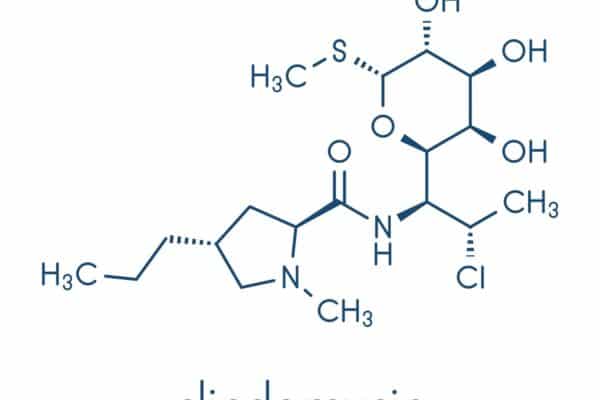
Clindamycin: a lincosamide antibiotic

Clindamycin is a lincosamide antibiotic that is used to treat a wide variety of bacterial infections. It is particularly effective against certain types of Gram-positive bacteria and anaerobic bacteria. Below is a detailed analysis of the pharmacology of clindamycin along with recent updates regarding its usage and resistance patterns: Mechanism of Action Clindamycin operates by…
Read More

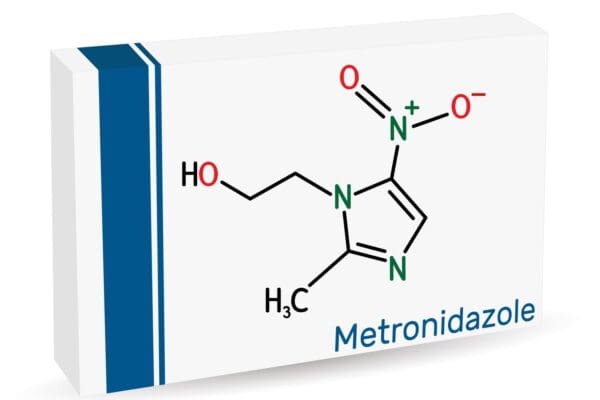
Metronidazole: an antibiotic and antiprotozoal medication

Introduction Metronidazole is a critical antibiotic primarily used for the treatment of anaerobic bacterial infections, protozoal infections, and microaerophilic bacterial infections. It demonstrates cytotoxicity towards facultative anaerobic microorganisms and is FDA-approved for certain anaerobic and protozoal infections, making it a mainstay in treating these conditions​1, ​​2​. Mechanism of Action The mechanism of action of Metronidazole…

Read More

Pharmacology of Fluoroquinolones

Fluoroquinolones are a class of synthetic antibiotics that are effective against a wide range of bacterial infections. They are commonly used to treat respiratory, urinary tract, gastrointestinal, and skin infections. Below is a comprehensive overview of the pharmacology of fluoroquinolones: Classification Fluoroquinolones can be classified based on their generation and spectrum of activity. Some of…

Read More

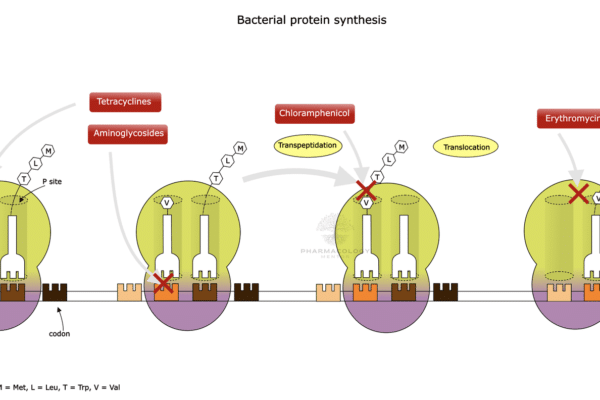
Pharmacology of Aminoglycosides antibiotics

Aminoglycosides are a class of potent antibiotics used to treat serious infections caused by Gram-negative bacteria as well as some Gram-positive bacteria. They are particularly effective against aerobic, facultative anaerobic, and obligate anaerobic bacteria. History and Development The era of aminoglycosides began with the discovery of streptomycin in 1943, which was the first antibiotic effective…

Read More

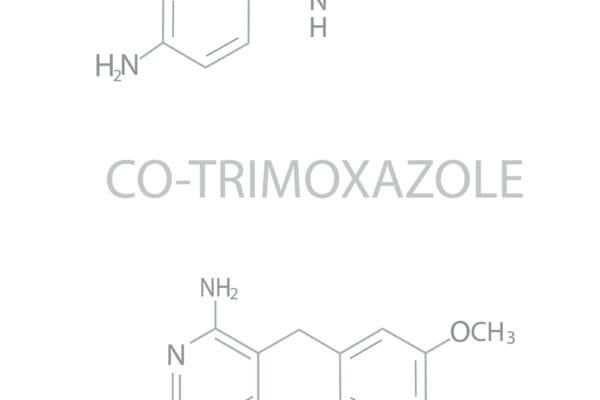
Pharmacology of Co-trimoxazole

Co-trimoxazole is a combination antibiotic that includes two active ingredients: sulfamethoxazole and trimethoprim. These two components work synergistically to enhance their antibacterial effectiveness. Below is a comprehensive overview of the pharmacology of co-trimoxazole: Mechanism of Action Co-trimoxazole works by inhibiting two consecutive steps (sequential blockade) in the biosynthesis of nucleic acids and proteins essential to…

Read More

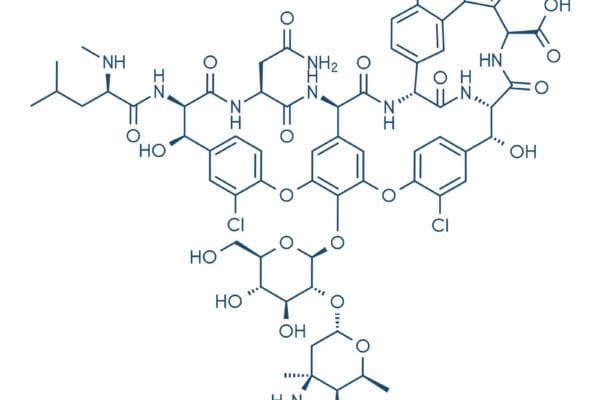
Pharmacology of Vancomycin

Vancomycin is a strong antibiotic that is used to treat serious bacterial infections, mostly those caused by Gram-positive bacteria, like MRSA (methicillin-resistant Staphylococcus aureus). Below is a comprehensive overview of the pharmacology of vancomycin: Mechanism of Action Vancomycin works by inhibiting cell wall synthesis in bacteria. It binds to the D-alanyl-D-alanine terminus of cell wall…

Read More

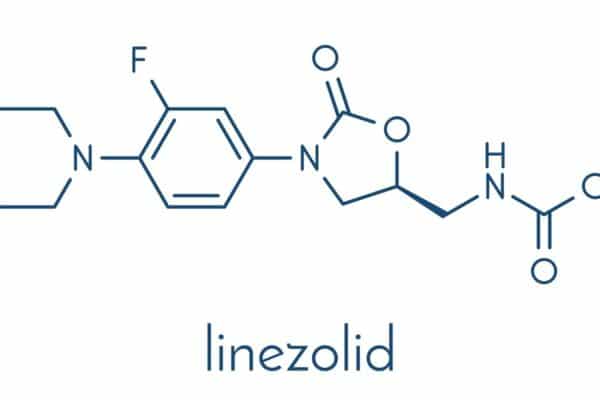
Pharmacology of Linezolid

Linezolid is an antibiotic belonging to the oxazolidinone class, used to treat serious bacterial infections, including those caused by Gram-positive bacteria resistant to other antibiotics. Below is a comprehensive overview of the pharmacology of linezolid: Mechanism of Action Linezolid works by inhibiting bacterial protein synthesis. It binds to the 23S ribosomal RNA of the 50S…

Read More