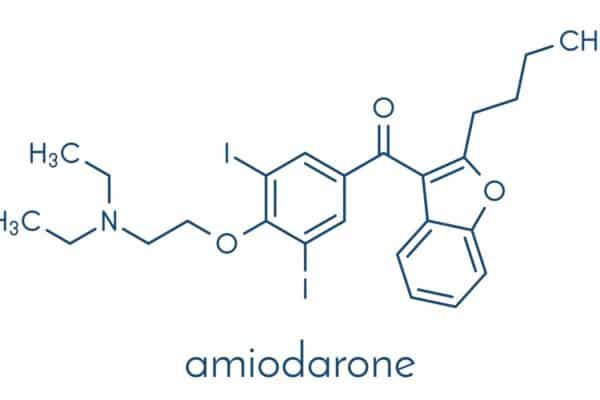
Antiarrhythmic drugs: Class 3 – Amiodarone and others

Introduction Class 3 antiarrhythmic drugs are known for their ability to prolong action potentials, primarily by blocking potassium channels in cardiac muscle or enhancing inward currents through sodium channels. This article will focus on amiodarone and other Class 3 antiarrhythmic drugs, discussing their mechanism of action, cardiac and extracardiac effects, toxicity, pharmacokinetics, and therapeutic use….

Read More

Class 4 Antiarrhythmic Drugs: Verapamil and Diltiazem

Verapamil Mechanism of Action Extracardiac Effects Toxicity Pharmacokinetics & Dosage Therapeutic Use Diltiazem Mechanism of Action Toxicity Therapeutic Use Conclusion Class 4 antiarrhythmic drugs like Verapamil and Diltiazem primarily act by blocking calcium channels, which makes them effective in treating supraventricular arrhythmias. However, they come with their own set of risks and side effects, including…

Read More

Miscellaneous Antiarrhythmic Agents: Adenosine and others

Adenosine Adenosine is an antiarrhythmic agent that is widely used for the investigation and management of both narrow complex and, less often, broad complex tachycardias. It produces a transient block in the atrioventricular node. This effect is mediated by interaction with A1 receptors (reducing cyclic adenosine monophosphate) present on myocytes, thereby activating potassium channels, which…

Read More

Dose-response relationships

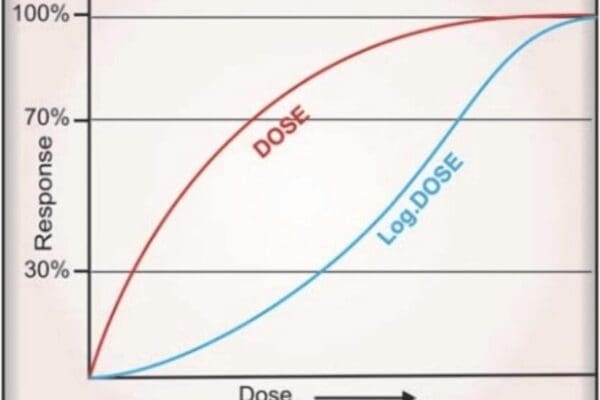
The dose-response relationship is a fundamental concept in pharmacology that describes how the effects of a drug change with varying doses. This relationship is crucial for understanding drug potency, efficacy, and safety. This article delves into the various aspects of dose-response relationships, including pharmacokinetic and pharmacodynamic considerations and their clinical implications. The term “dose-response relationship”…

Read More

Antiarrhythmic drugs: Lidocaine (Class 1B)

Introduction Lidocaine is a multifaceted medication primarily known as a local anesthetic, but it also has significant roles as an antiarrhythmic and analgesic agent. Classified as a Class Ib antiarrhythmic agent under the Vaughan-Williams classification, lidocaine is particularly effective in the treatment of ventricular arrhythmias. This includes its use in managing life-threatening ventricular arrhythmias that…

Read More

Antiarrhythmic drugs: Mexiletine (Class 1B)

Introduction Mexiletine is an orally active antiarrhythmic agent, classified in subgroup 1B, similar to lidocaine. It is predominantly used for treating ventricular arrhythmias and has proven effective in alleviating chronic pain. This exploration focuses on mexiletine’s electrophysiologic actions, adverse effects, and therapeutic applications. Electrophysiologic Actions Pharmacokinetics Adverse Effects Therapeutic Uses Conclusion Mexiletine is a versatile…

Read More

Antiarrhythmic drugs: Flecainide (Class 1C)

Introduction Flecainide is an antiarrhythmic agent classified under subgroup 1C. It is a potent blocker of sodium and potassium channels with slow unblocking kinetics. While it is effective in treating certain types of arrhythmias, its use is associated with significant risks, including a potential increase in mortality. This article will explore the mechanism of action,…

Read More

Antiarrhythmic drugs: Propafenone (Class 1C)

Introduction Propafenone is an antiarrhythmic agent that falls under subgroup 1C. It shares structural similarities with propranolol and has weak β-blocking activity. Primarily used for treating supraventricular arrhythmias, propafenone has a mechanism of action similar to that of quinidine but with some distinct differences. This article will explore the mechanism of action, adverse effects, and…

Read More

Antiarrhythmic drugs: Beta-adrenoceptor-blocking drugs (Class 2)

Introduction Beta-adrenoceptor-blocking drugs, commonly known as beta-blockers, are a class of medications with antiarrhythmic properties. These drugs work primarily through their β-receptor-blocking action and direct membrane effects. This article will talk about how Class 2 antiarrhythmic drugs work, how well they work, and how they can be used in therapy. It will mostly focus on…

Read More