Pharmacotherapy: The Drug Dosage and Fixed Dose Combinations (FDCs)

Introduction Are you looking to demystify the complex world of pharmacotherapy? Whether you’re a healthcare provider, a patient, or someone interested in medical science, understanding the nuances of drug dosage and Fixed Dose Combinations (FDCs) is crucial. In this comprehensive guide, we’ll delve into the ever-evolving science of pharmacotherapy, explore the intricacies of drug dosage,…

Read More

Exploring Special Drug Delivery Systems: The Future of Precision Medicine

Introduction In the ever-evolving world of pharmacotherapy, one of the most exciting advancements is the development of Special Drug Delivery Systems. These innovative systems are designed to release medication at a predetermined rate or site, enhancing the effectiveness and reducing the side effects of various treatments. In this comprehensive guide, we’ll delve into the types…

Read More

Factors Modifying Drug Action

Introduction Welcome to this comprehensive guide on Factors Modifying Drug Action. If you’ve ever wondered why medications affect people differently, you’re about to find out. This article aims to shed light on the myriad factors that can influence the efficacy and safety of drugs. Let’s dive in! Understanding the factors that modify drug action is…

Read More

Classification of Antiplatelet Drugs and their clinical Uses

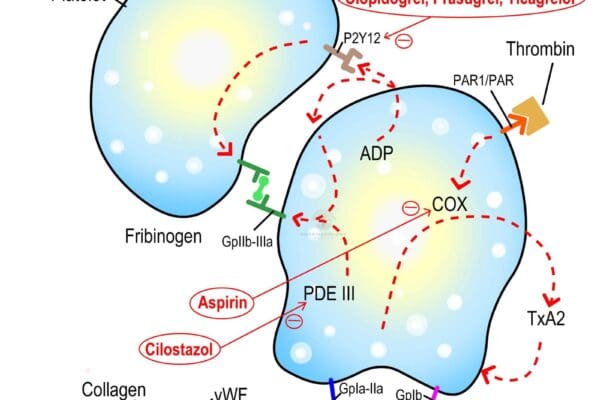
Introduction to Antiplatelet Drugs Antiplatelet drugs are a class of medications designed to inhibit the aggregation of platelets in the blood, thereby reducing the formation of blood clots. These drugs are particularly effective in the arterial system, where traditional anticoagulants like Vitamin K antagonists have limited efficacy. Antiplatelet medications are commonly used in the prevention…

Read More

Pharmacology of Loop Diuretics

Mechanism of Action: Loop diuretics primarily act on the ascending limb of the Loop of Henle in the kidneys. They inhibit the sodium-potassium-chloride (Na-K-Cl) co-transporter, which leads to a decrease in the reabsorption of these ions. This action results in an increase in the osmolarity of the filtrate, causing more water to be drawn into…

Read More

Pharmacology of Thiazide Diuretics

Mechanism of Action: Thiazide diuretics act primarily on the distal convoluted tubule (DCT) in the kidneys. They inhibit the sodium-chloride symporter, leading to a decrease in the reabsorption of sodium and chloride ions. This results in increased excretion of water, sodium, and chloride, thereby reducing blood volume and blood pressure. Pharmacokinetics: Drug Examples: Clinical Use:…

Read More

Pharmacology of Potassium-Sparing Diuretics

Mechanism of Action: Potassium-sparing diuretics act on the collecting ducts in the kidneys. They inhibit sodium reabsorption while reducing potassium secretion, effectively sparing potassium levels in the body. There are two main types: Pharmacokinetics: Drug Examples: Clinical Use: Side Effects: Drug Interactions: Contraindications: Understanding the pharmacology of potassium-sparing diuretics is essential for healthcare providers to…

Read More

Pharmacology of Osmotic Diuretics

Mechanism of Action: Osmotic diuretics work by increasing the osmolarity of the filtrate in the renal tubules. They are filtered by the glomerulus but not reabsorbed, leading to an osmotic gradient that draws water into the nephron. This results in increased urine output and decreased intracranial and intraocular pressure. Pharmacokinetics: Drug Examples: Clinical Use: Side…

Read More

Pharmacology of Carbonic Anhydrase Inhibitors

Mechanism of Action: Carbonic Anhydrase Inhibitors (CAIs) act primarily on the proximal convoluted tubule in the kidneys. They inhibit the enzyme carbonic anhydrase, which is essential for the reabsorption of bicarbonate ions. This leads to increased excretion of bicarbonate, sodium, and water, resulting in mild diuresis and acidification of the urine. Pharmacokinetics: Drug Examples: Clinical…

Read More