Kinetics of Elimination: A Complete Overview of Mechanisms and Implications

Understanding the kinetics of how a drug is removed from the body is foundational for creating and adjusting rational dosage plans tailored to individual patient needs. Three key pharmacokinetic parameters must be comprehended: bioavailability (F), volume of distribution (Vd), and clearance (CL). The first two have been previously discussed. Drug Elimination Drug elimination comprises both…

Read More

Prolongation of Drug Action: A Complete Overview

Extending the duration of a drug action can offer several advantages, such as enhanced patient compliance, reduced frequency of dosing, and minimized side effects. However, it’s crucial to understand that not all drugs are suitable for prolongation strategies. Here are some of the more detailed methods commonly employed to extend the action of a drug….

Read More

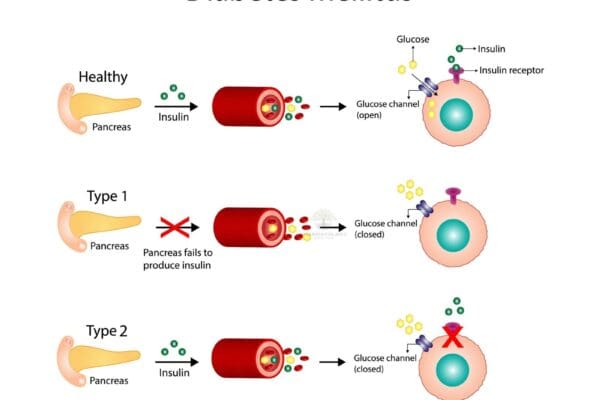
Complete Guide to Diabetes: From Symptoms to Treatment

Introduction: The Growing Concern of Diabetes Diabetes is not just a disease; it’s a global epidemic. According to the World Health Organization, an estimated 422 million people worldwide have diabetes. The alarming rate at which diabetes is spreading poses a significant threat to global health. This article aims to be your ultimate guide to understanding…

Read More

Understanding Beta-Agonists: A Complete Overview for Patients and Healthcare Providers

Introduction to Beta-Agonists: Beta-agonists are medications that stimulate beta receptors in the body. These receptors are found in various tissues, including the lungs, heart, and blood vessels. Due to their effects, beta-agonists are commonly used to treat conditions like asthma, chronic obstructive pulmonary disease (COPD), and certain heart conditions. Classification of Beta-Agonists: Mechanism of action:…

Read More

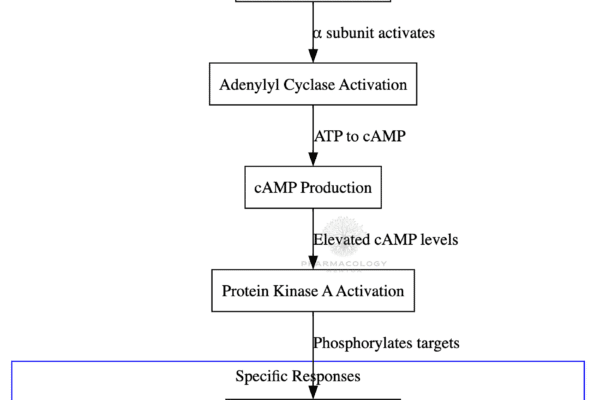
Beta Receptors: A Complete Overview for Medical Professionals

Introduction to Beta Receptors: Beta receptors are adrenergic receptors that respond to the neurotransmitters epinephrine (adrenaline) and norepinephrine (noradrenaline). They are part of the G-protein-coupled receptor family and play a crucial role in the sympathetic nervous system, responsible for the “fight or flight” response. There are three main types of beta receptors: beta-1 (β1), beta-2…

Read More

Pharmacology of Alpha Agonists

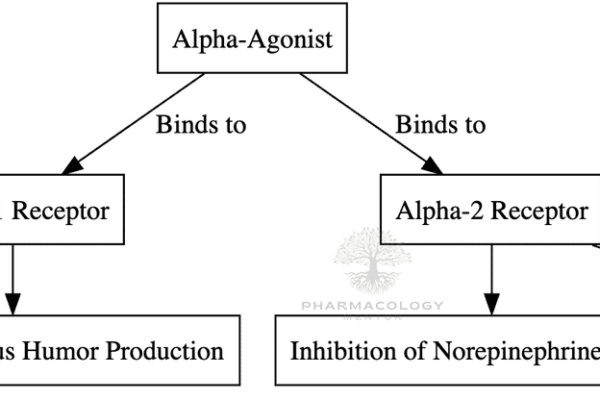
Introduction to Alpha Agonists: Alpha agonists are a class of drugs that primarily act on alpha-adrenergic receptors. These receptors are part of the sympathetic nervous system and respond to the neurotransmitters epinephrine (adrenaline) and norepinephrine (noradrenaline). When activated, alpha receptors typically cause constriction of blood vessels and an increase in blood pressure. Alpha agonists can…

Read More