Complete Guide to Diabetes: From Symptoms to Treatment

Introduction: The Growing Concern of Diabetes Diabetes is not just a disease; it’s a global epidemic. According to the World Health Organization, an estimated 422 million people worldwide have diabetes. The alarming rate at which diabetes is spreading poses a significant threat to global health. This article aims to be your ultimate guide to understanding…
Read More

Understanding Beta-Agonists: A Complete Overview for Patients and Healthcare Providers

Introduction to Beta-Agonists: Beta-agonists are medications that stimulate beta receptors in the body. These receptors are found in various tissues, including the lungs, heart, and blood vessels. Due to their effects, beta-agonists are commonly used to treat conditions like asthma, chronic obstructive pulmonary disease (COPD), and certain heart conditions. Classification of Beta-Agonists: Mechanism of action:…

Read More

Beta Receptors: A Complete Overview for Medical Professionals

Introduction to Beta Receptors: Beta receptors are adrenergic receptors that respond to the neurotransmitters epinephrine (adrenaline) and norepinephrine (noradrenaline). They are part of the G-protein-coupled receptor family and play a crucial role in the sympathetic nervous system, responsible for the “fight or flight” response. There are three main types of beta receptors: beta-1 (β1), beta-2…

Read More

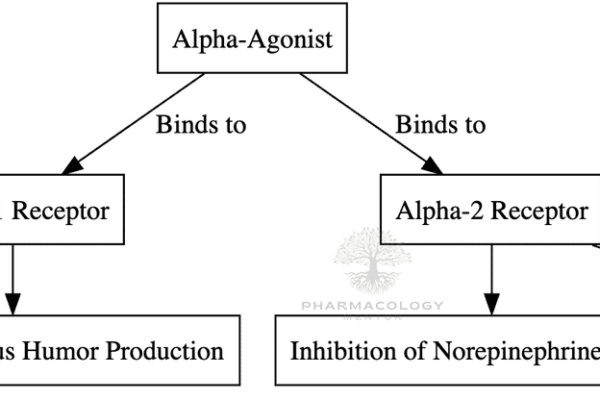
Pharmacology of Alpha Agonists

Introduction to Alpha Agonists: Alpha agonists are a class of drugs that primarily act on alpha-adrenergic receptors. These receptors are part of the sympathetic nervous system and respond to the neurotransmitters epinephrine (adrenaline) and norepinephrine (noradrenaline). When activated, alpha receptors typically cause constriction of blood vessels and an increase in blood pressure. Alpha agonists can…

Read More

Pharmacology of Beta-Blockers

Introduction to Beta-blockers Beta-blockers, also known as beta-adrenergic blocking agents or beta-adrenoceptor antagonists, are a class of drugs primarily used to manage cardiovascular conditions. They work by blocking the effects of certain hormones, particularly adrenaline (epinephrine), on the beta receptors in the heart and blood vessels. This action results in a decrease in heart rate, blood…

Read More

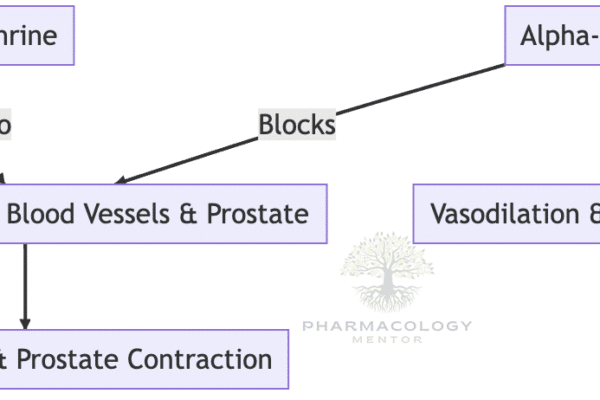
Pharmacology of Alpha-Blockers

Introduction to Alpha-Blockers: Alpha-blockers, also known as alpha-adrenergic antagonists, are a class of medications that primarily act on the alpha-adrenergic receptors in the body. These receptors are found in various tissues, including the blood vessels and the smooth muscles of the prostate gland in men. Classification of Alpha-Blockers: 1. Non-selective Alpha Blockers (Alpha-1 & Alpha-2)…

Read More

Pharmacology of Antitussives

Introduction of Antitussives Antitussives are drugs that suppress or relieve coughing. They act centrally on the cough center in the medulla oblongata of the brain or peripherally on the cough receptors in the respiratory tract. Classification of Antitussives: a. Opioid Antitussives: Codeine: A mild opioid analgesic also used as a cough suppressant. Hydrocodone: A stronger…

Read More

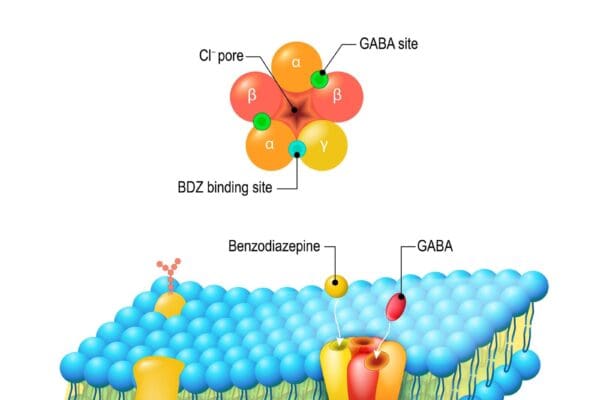
Pharmacology of Benzodiazepines

Pharmacology of Benzodiazepines: Benzodiazepines (BZDs) are a class of psychoactive drugs that primarily act on the central nervous system (CNS). They modulate the neurotransmitter gamma-aminobutyric acid (GABA), enhancing its inhibitory effects. This results in various therapeutic actions, including sedation, muscle relaxation, anxiolysis, and anticonvulsant effects. Classification of Benzodiazepines: a. Short-acting Benzodiazepines: b. Intermediate-acting Benzodiazepines: c….

Read More

Aspirin: A Comprehensive Pharmacological Overview

Aspirin, scientifically known as acetylsalicylic acid (ASA), is a cornerstone in the world of nonsteroidal anti-inflammatory drugs (NSAIDs). With its multifaceted roles as an analgesic, antipyretic, and anti-inflammatory agent, aspirin has secured its position as one of the most frequently administered medications worldwide. Mechanism of Action At the heart of aspirin’s mechanism is its ability…

Read More

Pharmacology of Paracetamol/Acetaminophen

Introduction: Paracetamol, commonly known as acetaminophen in some regions, stands as a cornerstone in the realm of over-the-counter medications. Renowned for its analgesic (pain-relieving) and antipyretic (fever-reducing) properties, it’s often the first line of defense against mild to moderate pain and fever, primarily due to its commendable safety profile when adhering to recommended dosages. Mechanism…

Read More