What is Barbiturate toxicity, and how is it treated?

Introduction to Barbiturate Toxicity: Barbiturates, once hailed for their sedative and anticonvulsant properties, have a narrow therapeutic window, making them susceptible to overdose. While their clinical use has diminished over the years in favor of safer alternatives, cases of barbiturate toxicity still emerge, often with life-threatening consequences. Whether due to accidental ingestion, drug interactions, or…
Read More

Sodium Channel Blockers (SCBs)

Sodium Channel Blockers Introduction Sodium Channel Blockers (SCBs) are pivotal in medical therapeutics. These drugs primarily target the sodium channels in cells, inhibiting the flow of sodium ions. This action is crucial in regulating electrical impulses, especially in the heart and nervous system. Their significance in treating various cardiac and neurological conditions is unparalleled. Classification…

Read More

Understanding Alteplase: The Tissue Plasminogen Activator You Need to Know

Alteplase Introduction Alteplase, commonly known as tissue plasminogen activator (tPA), is a serine protease enzyme that plays a pivotal role in the dissolution of blood clots. It is a recombinant form of the human tissue-type plasminogen activator produced using recombinant DNA technology. This article delves deep into the pharmacology of alteplase, shedding light on its…

Read More

Pharmacology of Antitussives

Introduction of Antitussives Antitussives are drugs that suppress or relieve coughing. They act centrally on the cough center in the medulla oblongata of the brain or peripherally on the cough receptors in the respiratory tract. Classification of Antitussives: a. Opioid Antitussives: Codeine: A mild opioid analgesic also used as a cough suppressant. Hydrocodone: A stronger…

Read More

Pharmacology of Benzodiazepines

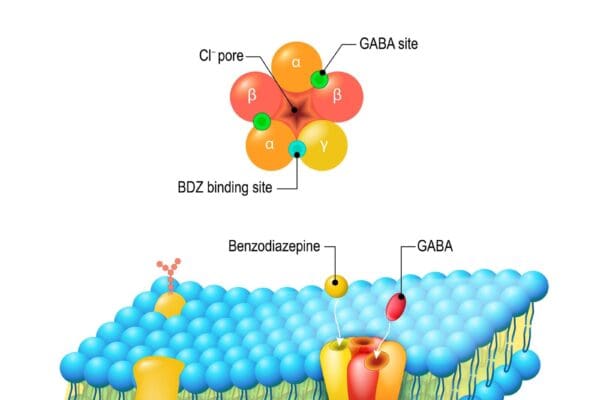
Pharmacology of Benzodiazepines: Benzodiazepines (BZDs) are a class of psychoactive drugs that primarily act on the central nervous system (CNS). They modulate the neurotransmitter gamma-aminobutyric acid (GABA), enhancing its inhibitory effects. This results in various therapeutic actions, including sedation, muscle relaxation, anxiolysis, and anticonvulsant effects. Classification of Benzodiazepines: a. Short-acting Benzodiazepines: b. Intermediate-acting Benzodiazepines: c….

Read More

Aspirin: A Comprehensive Pharmacological Overview

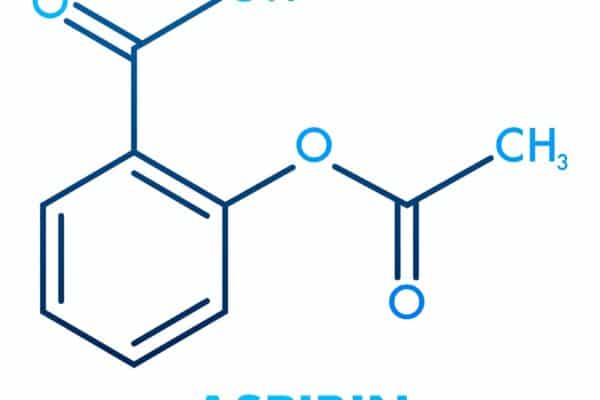
Aspirin, scientifically known as acetylsalicylic acid (ASA), is a cornerstone in the world of nonsteroidal anti-inflammatory drugs (NSAIDs). With its multifaceted roles as an analgesic, antipyretic, and anti-inflammatory agent, aspirin has secured its position as one of the most frequently administered medications worldwide. Mechanism of Action At the heart of aspirin’s mechanism is its ability…

Read More

Pharmacopoeias and Formularies

Pharmacopoeias and formularies are two types of drug compendia that are commonly used in the healthcare sector. Pharmacopoeias are official compendia that are published by governments and hold legal status. They contain information on officially approved drugs in a country, including their chemical structure, molecular weight, physical and chemical characteristics, solubility, identification and assay methods,…

Read More

Pharmacology of Proton Pump Inhibitors

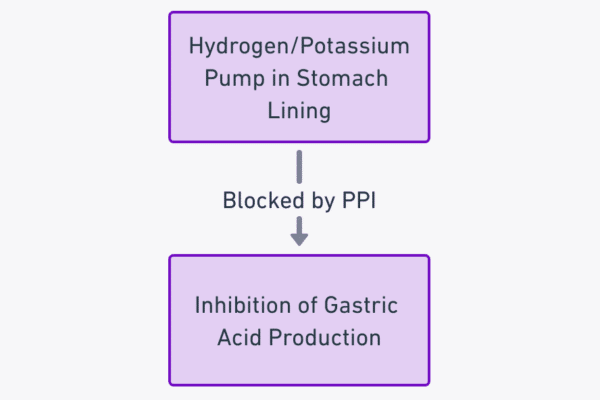
Proton pump inhibitors (PPIs) are a group of drugs whose main action is a pronounced and long-lasting reduction of stomach acid production. They are among the most widely sold drugs in the world, and are generally considered safe. The following are examples of PPIs: Mechanism of Action PPIs work by irreversibly blocking the hydrogen/potassium pump…

Read More