Antibiotic Stewardship: A Complete Overview for Healthcare Professionals

Introduction to Antibiotic Stewardship Antibiotic stewardship is a coordinated effort to improve the use of antibiotics by promoting the selection of the optimal antibiotic drug regimen, dose, duration of therapy, and route of administration. It aims to achieve the best clinical outcomes related to antibiotic use, minimize toxicity and other adverse events, reduce healthcare costs…

Read More

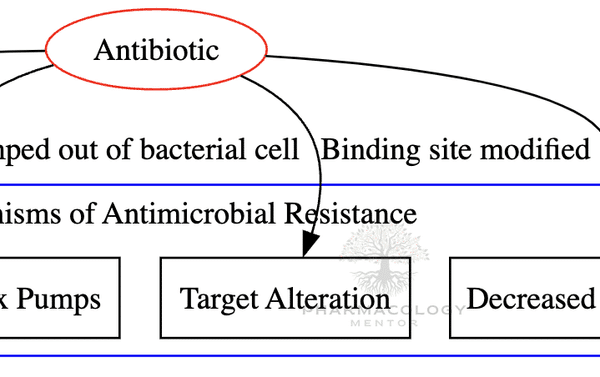
Antimicrobial Resistance and its mechanisms

Introduction to Antimicrobial Resistance Antimicrobial resistance (AMR) is a global health issue that has been steadily gaining attention. But what exactly is it? In simple terms, antimicrobial resistance occurs when microorganisms such as bacteria, viruses, fungi, and parasites change in ways that render the medications used to cure the infections they cause ineffective. When the…

Read More

Pharmacology of H2 Receptor Antagonists

Introduction H2 receptor antagonists, also known as H2 blockers, are a class of medications that are commonly used to reduce the production of stomach acid. They work by blocking histamine action on H2 receptors found in the gastric parietal cells, thereby inhibiting gastric acid secretion. Examples of H2 receptor antagonists include Cimetidine, Ranitidine, Famotidine, and…

Read More

Pharmacology of Antacids

Antacids are medications that counteract the acid in the stomach to relieve indigestion, heartburn, and other stomach-related discomforts. Their primary function is to neutralize stomach acid, providing symptomatic relief from acid-related disorders. Let’s delve deeper into the pharmacology of antacids. Mechanism of Action Antacids work by a simple mechanism: they neutralize gastric acid, raising the…

Read More

Pharmacology of Mucosal Protective Agents

Introduction In the vast realm of pharmacology, Mucosal Protective Agents are a beacon of relief for many patients suffering from gastrointestinal disorders. As their name suggests, these agents play a crucial role in protecting the mucosal lining of the stomach and intestines, promoting healing, and alleviating discomfort. This article aims to provide an in-depth understanding…

Read More

Antiemetic Drugs: An Overview of Their Pharmacology

Introduction Antiemetic drugs play a crucial role in healthcare, providing relief to patients suffering from nausea and vomiting, symptoms often associated with various medical conditions and treatments. This article delves into the pharmacology of antiemetic drugs, offering an in-depth understanding of their mechanisms of action, uses, and potential side effects. Mechanism of Action of Antiemetic…

Read More

Treatment of Angina Pectoris: A Comprehensive Guide

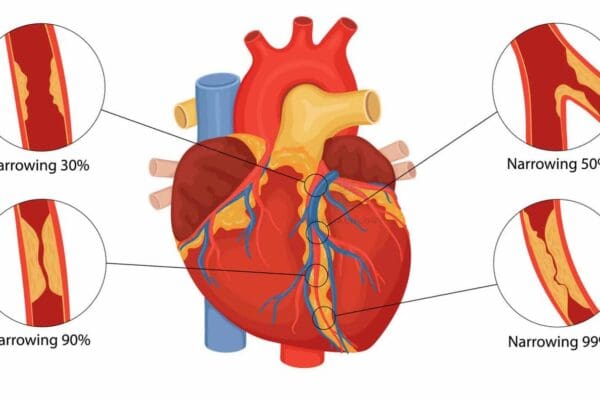
Angina pectoris, a symptom of coronary artery disease, is typically managed with a combination of lifestyle changes, medications, and in some cases, surgical procedures. This section will focus on the pharmacological treatment of angina pectoris, providing a detailed overview of the classification of drugs used, their pharmacokinetics, mechanisms of action, pharmacological actions, therapeutic uses, adverse…

Read More

Drug Compendia: An Overview

Drug compendia refer to comprehensive collections of information on drugs presented in the form of monographs. These monographs typically contain detailed descriptions of drugs, including their indications, contraindications, dosage forms, adverse effects, and storage conditions. They are essential resources for various stakeholders in the healthcare sector, including physicians, pharmacists, drug manufacturers, and regulatory authorities. Introduction…

Read More

Medicinal Chemistry and its role in Structure-Activity Relationships

Introduction to Medicinal Chemistry Medicinal chemistry is a fascinating field that combines aspects of organic chemistry, pharmacology, and biochemistry. It’s all about designing and synthesizing potential new medications, not just creating these substances. It’s also about understanding how they work at a molecular level. Importance of Medicinal Chemistry The importance of medicinal chemistry cannot be…

Read More

Obesity: What We Know and What We Can Do?

Obesity is a complex disease that involves an excessive amount of body fat. It isn’t just a cosmetic concern but a medical problem that increases the risk of other diseases and health problems, such as heart disease, diabetes, high blood pressure, and certain cancers ¹. According to the World Health Organization (WHO), overweight and obesity…

Read More