Drugs Used for Dyslipidemias

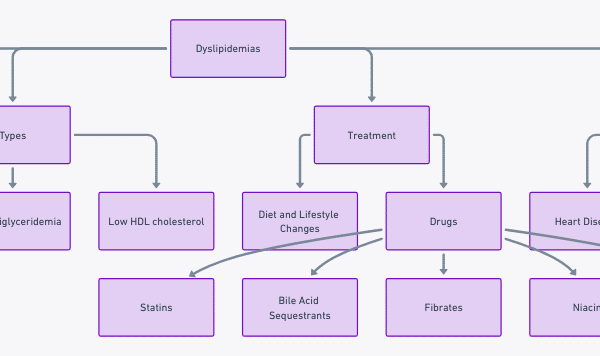
Introduction to Dyslipidemias Drugs used for dyslipidemias or Antihyperlipidemic drugs play a critical role in managing lipid disorders, which are significant risk factors for cardiovascular diseases such as coronary heart disease (CHD). Over 650,000 people die of CHD in the US alone every year, and a 1% reduction in serum cholesterol has been associated with…

Read More

Elementor #8171

Introduction Antimicrobial stewardship programs (ASPs) have emerged as a crucial component in the fight against antimicrobial resistance (AMR). This resistance has been identified as a significant global health threat by the World Health Organization [1]. The goal of ASPs is to optimize antibiotic use in healthcare settings, thereby improving patient outcomes, reducing microbial resistance, and…

Read More

Unlock the Power of In Silico Techniques in Pharmacology

In the realm of pharmacology, the last century has witnessed a significant evolution in scientific research. This evolution has been driven by meticulously designed studies and continuous technological advancements that have enabled the measurement and analysis of biological samples and subjects. As a result, our understanding of biological systems has expanded exponentially. The term ‘in…

Read More

Antimicrobial Stewardship: An Editorial Review

Introduction to Antimicrobial Stewardship Antimicrobial stewardship (AMS) is a systematic approach aimed at promoting the appropriate use of antimicrobials to improve patient outcomes, reduce microbial resistance, and decrease the spread of infections caused by multidrug-resistant organisms[1]. The Importance of Antimicrobial Stewardship AMS is crucial in the fight against antimicrobial resistance (AMR), a global health threat…

Read More

Structure-Activity Relationships (SAR)

Introduction to SAR The field of medicinal chemistry is replete with examples of how subtle changes in the molecular structure of a compound can have profound effects on its biological activity. This concept, known as the structure-activity relationship (SAR), is a fundamental principle in drug discovery and development. In this article, we will delve into…

Read More

Drugs for Congestive Cardiac Failure

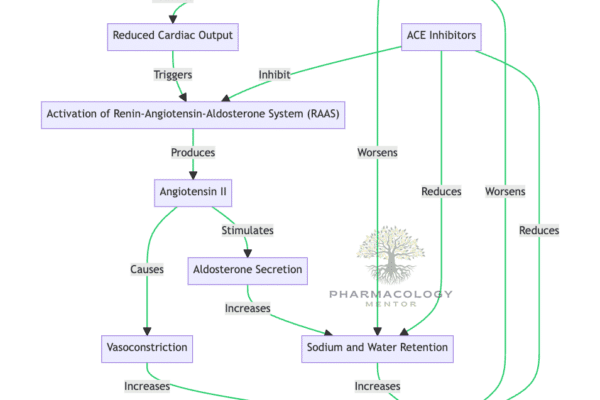
1. Introduction Congestive heart failure (CHF) is a condition in which the heart is unable to pump blood effectively, leading to fluid accumulation in the lungs and other body tissues. Various medications are available to manage CHF, which can help alleviate symptoms and improve the patient’s quality of life. This article will explore the classification…

Read More

Pharmacology of Cephalosporin antibiotics

Cephalosporins are a broad class of beta-lactam antibiotics closely related to penicillins in structure and function. They have been developed over time into five distinct generations, each with its unique antimicrobial spectrum and clinical applications. Here’s a detailed overview based on information from the National Center for Biotechnology Information (NCBI) and other reputable sources: Classification…

Read More

Antiarrhythmic Drugs

Antiarrhythmic drugs are used to treat various types of abnormal heart rhythms (arrhythmias). They are classified into four main classes (Class 1, 2, 3, and 4) according to the Vaughan-Williams classification system. This system is based on its primary mechanism of action and electrophysiological effects on the heart. Class 1: Sodium channel blockers https://pharmacology.ijcrpp.com/sodium-channel-blockers-scbs/ Examples…

Read More

Pharmacology Definitions and Terminology

Pharmacology is the study of drugs and their interactions with living organisms. It encompasses various terms and concepts related to drug action, classification, and administration. Here are some common definitions and terms used in pharmacology: Drug: A chemical substance that interacts with the body to produce a physiological effect, either for therapeutic purposes, diagnostic purposes,…

Read More