Factors Affecting Oral Drug Absorption and its Bioavailability

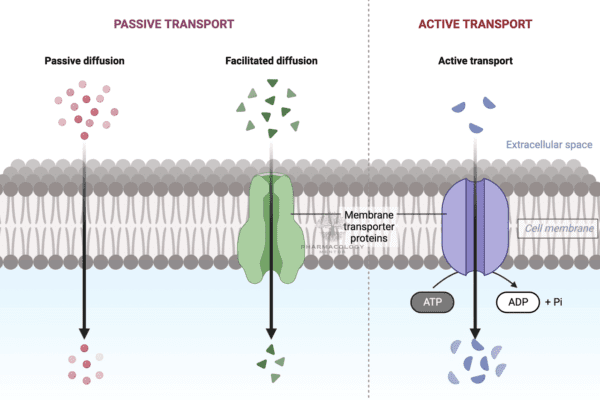
Oral drug absorption is a critical process that determines the efficacy and safety of a medication. The bioavailability of a drug depends on various factors, including physical properties, dosage forms, physiological factors, pharmacogenetic factors, and disease states. This article discusses these factors in detail to understand how they affect the absorption and bioavailability of orally…
Read More
pharmacokinetics

Chapters and Topics in General Pharmacology

Introduction to General Pharmacology General pharmacology covers the fundamental principles of pharmacology, including Drug discovery and development, Souces of Drugs, Dosage forms, Routes of drug administration, Pharmacokinetics, Clinical Pharmacokinetics, Pharmacodynamics, Drug interactions and Adverse drug reactions (ADRs). Understanding these principles is crucial for healthcare professionals, researchers, and students to act safely and effectively using medications. Drug Discovery and Development https://pharmacology.ijcrpp.com/drug-discovery-and-development/ Drug…

Read More

The Comprehensive Guide to Drug Discovery, Development, and Clinical Trials: Everything You Need to Know

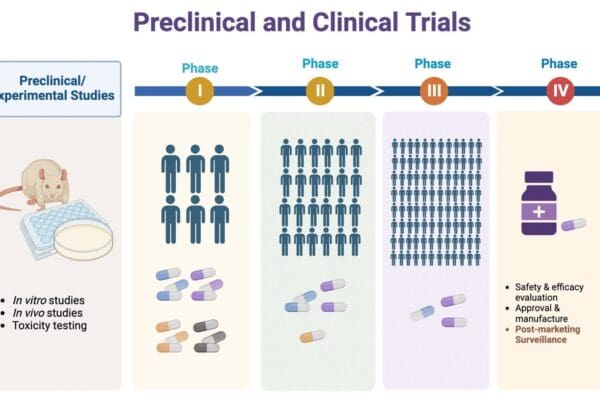
Drug discovery and development is an intricate and multifaceted process that encompasses identifying, designing, and testing prospective new drugs. The primary objective is to discover secure and effective treatments for various ailments and conditions. This composition will delve into the various stages of drug design and screening and the several phases of clinical trials. Drug…

Read More

Pharmacokinetics – What the body does to Drug?

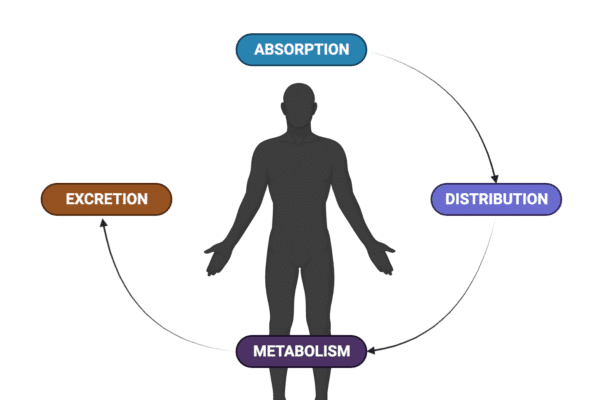
Pharmacokinetics, derived from the Greek words ‘pharmakon’ meaning drug, and ‘kinesis’ meaning movement, is the science that elucidates what the body does to a drug following administration. Pharmacokinetics is the study of how drugs move through the body. It includes processes like absorption, distribution, metabolism, and excretion (ADME), which determine how much of the drug…

Read More

Drug Interactions

Introduction Drugs can interact in various ways, leading to changes in the way they work and potential side effects. Understanding these interactions is essential to ensure the safe and effective use of medications. In this page, we’ll explore pharmacokinetic and pharmacodynamic interactions, additive, synergistic, and antagonistic effects, as well as drug-food and drug-disease interactions. Pharmacokinetic…

Read More

Alzheimer’s Disease and treatment

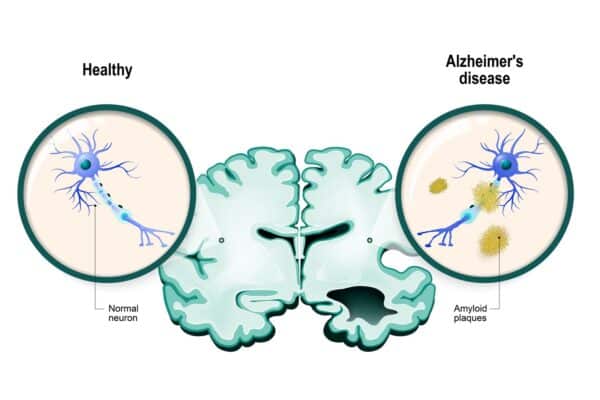
Dementia and Treatment of Alzheimer’s Disease Alzheimer’s disease is a brain disorder that progressively worsens over time. It’s characterized by changes in the brain that lead to deposits of certain proteins. Alzheimer’s disease causes the brain to shrink and brain cells to eventually die. It is the most common cause of dementia—a gradual decline in…

Read More

Bronchial Asthma and its Treatment

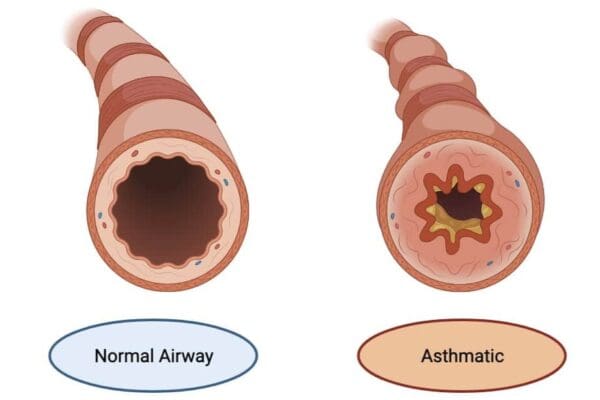
Asthma Bronchial asthma is a condition characterized by bronchial hyperreactivity and inflammation. The activation of IgE bound to mast cells by the antigen leads to the degranulation of mast cells, resulting in the release of various mediators, such as leukotrienes, prostaglandins, platelet-activating factor, histamine, and protease enzymes. These mediators can cause bronchoconstriction and inflammation, leading…

Read More

Tuberculosis and Its Treatment

Mycobacterium tuberculosis, also known as Koch’s bacillus, is a species of pathogenic bacteria that is the causative agent of tuberculosis. It was first discovered in 1882 by Robert Koch1. The bacterium has an unusual, waxy coating on its cell surface primarily due to the presence of mycolic acid. This coating makes the cells impervious to Gram…

Read More

Pharmacology of Antipsychotic Drugs

Summary Points on Antipsychotic Drugs: Classification of Antipsychotics: Typical (D2 blockers) and Atypical (acting via other mechanisms) Actions of Typical Antipsychotics: Actions of Atypical Antipsychotics: Individual Drugs: Adverse Effects: Other Uses: Key Points: Disclaimer: This article is for informational purposes only and should not be taken as medical advice. Always consult with a healthcare professional…

Read More