Bronchial Asthma and its Treatment

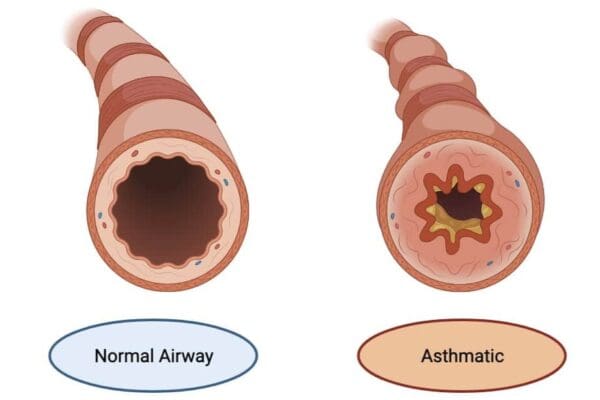
Asthma Bronchial asthma is a condition characterized by bronchial hyperreactivity and inflammation. The activation of IgE bound to mast cells by the antigen leads to the degranulation of mast cells, resulting in the release of various mediators, such as leukotrienes, prostaglandins, platelet-activating factor, histamine, and protease enzymes. These mediators can cause bronchoconstriction and inflammation, leading…

Read More

Tuberculosis and Its Treatment

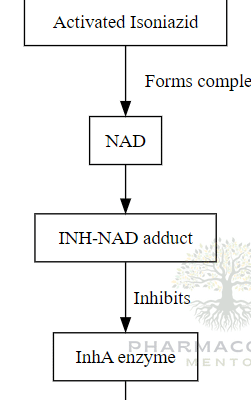
Mycobacterium tuberculosis, also known as Koch’s bacillus, is a species of pathogenic bacteria that is the causative agent of tuberculosis. It was first discovered in 1882 by Robert Koch1. The bacterium has an unusual, waxy coating on its cell surface primarily due to the presence of mycolic acid. This coating makes the cells impervious to Gram…

Read More

Pharmacology of Antipsychotic Drugs

Summary Points on Antipsychotic Drugs: Classification of Antipsychotics: Typical (D2 blockers) and Atypical (acting via other mechanisms) Actions of Typical Antipsychotics: Actions of Atypical Antipsychotics: Individual Drugs: Adverse Effects: Other Uses: Key Points: Disclaimer: This article is for informational purposes only and should not be taken as medical advice. Always consult with a healthcare professional…

Read More

Pharmacology of Antianxiety Drugs

Antianxiety Drugs: The Relationship Between GABAergic and Serotonergic Activity and Anxiety A reduction in GABAergic activity or an increase in serotonergic activity can lead to anxiety due to mild CNS stimulation. Drugs commonly used to treat anxiety include CNS depressants like benzodiazepines or those that decrease serotonin levels, like buspirone. Benzodiazepines for Anxiety Benzodiazepines are…

Read More

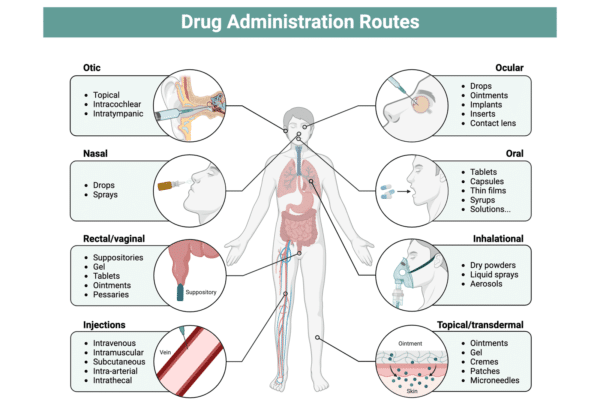
Routes of Drug Administration

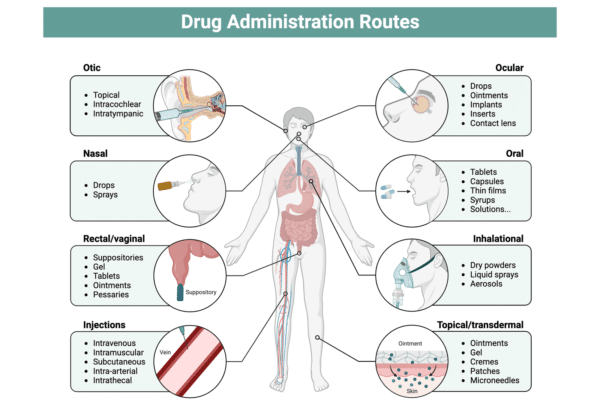
Introduction The administration of drugs is an essential aspect of medical practice. It involves the process of delivering medication to a patient’s body through various routes. The appropriate route of administration for a given situation depends on several factors, including the drug’s physical and chemical properties and patient-related factors. This chapter discusses the different routes…

Read More

Routes of Drug Administration

Administration of drugs to human subjects ranges from oral, sublingual, rectal, intravenous, intramuscular, subcutaneous, intradermal, and intrathecal. The method of administration selected is dependent upon a multitude of variables, such as the distinctive characteristics of the drug, the current condition of the patient, and the projected therapeutic outcome. It is important for healthcare providers to…

Read More

Pharmacology of Antipsychotic Drugs

Summary Points on Antipsychotic Drugs: Classification of Antipsychotics: Typical (D2 blockers) and Atypical (acting via other mechanisms) Actions of Typical Antipsychotics: Actions of Atypical Antipsychotics: Individual Drugs: Adverse Effects: Other Uses: Key Points: Disclaimer: This article is for informational purposes only and should not be taken as medical advice. Always consult with a healthcare professional…

Read More

Oral Contraceptive Pills An Overview

Introduction Oral contraceptive drugs, employed primarily for preventing unwanted pregnancies, embody a range of formulations with distinct pharmacological profiles to cater to individual needs. Here’s a comprehensive overview of their pharmacology, types, recent advancements, adverse effects, and contraindications: Oral Contraceptive Pills: An Overview Oral contraceptive pills, often simply referred to as “the pill,” are a…

Read More